
Newborn Essentials Checklist: What You Actually Need


The hospital bag is packed. The due date is close. Now comes the question every expecting parent asks: what do you actually need when you bring a newborn home?
Use this baby items checklist as your starting point. It covers what's useful in the first weeks – not every product that exists for babies, just the ones that earn their place.
Safe Sleep
Safe sleep is the highest priority on this list. Red Nose Australia recommends always placing babies on their back to sleep, in their own safe sleep space, with a firm flat mattress and no loose bedding, pillows, or soft toys.
Since January 2026, all infant sleep products sold in Australia – including bassinets, cradles, portable cots and co-sleepers – must comply with the Consumer Goods (Infant Sleep Products) Safety Standard 2024, administered by the ACCC. Household cots must comply with AS/NZS 2192. Look for compliant labelling when purchasing any sleep product.

-
Bassinet or cot: Many families start with a bassinet in their room for the first few months, then transition to a cot. Both must meet the ACCC mandatory standard. Look for the compliance label before purchasing.
-
Firm, flat mattress: Must fit snugly with no gaps at the sides. The new mandatory standard requires sleep surfaces to be flat with no incline greater than 7 degrees – so inclined inserts or wedges are out.
-
Fitted sheets (3-4): Cotton or jersey. You'll get through more than you expect.
- Swaddles or sleeping bags (3-4): Swaddling reduces the startle reflex and helps newborns settle. Once baby starts rolling, switch to a sleeping bag. Match the TOG rating to room temperature: 0.5–1.0 TOG for warmer months, 2.5 TOG for winter.
- Baby monitor (Optional): Useful once baby moves to their own room.
Baby Clothes
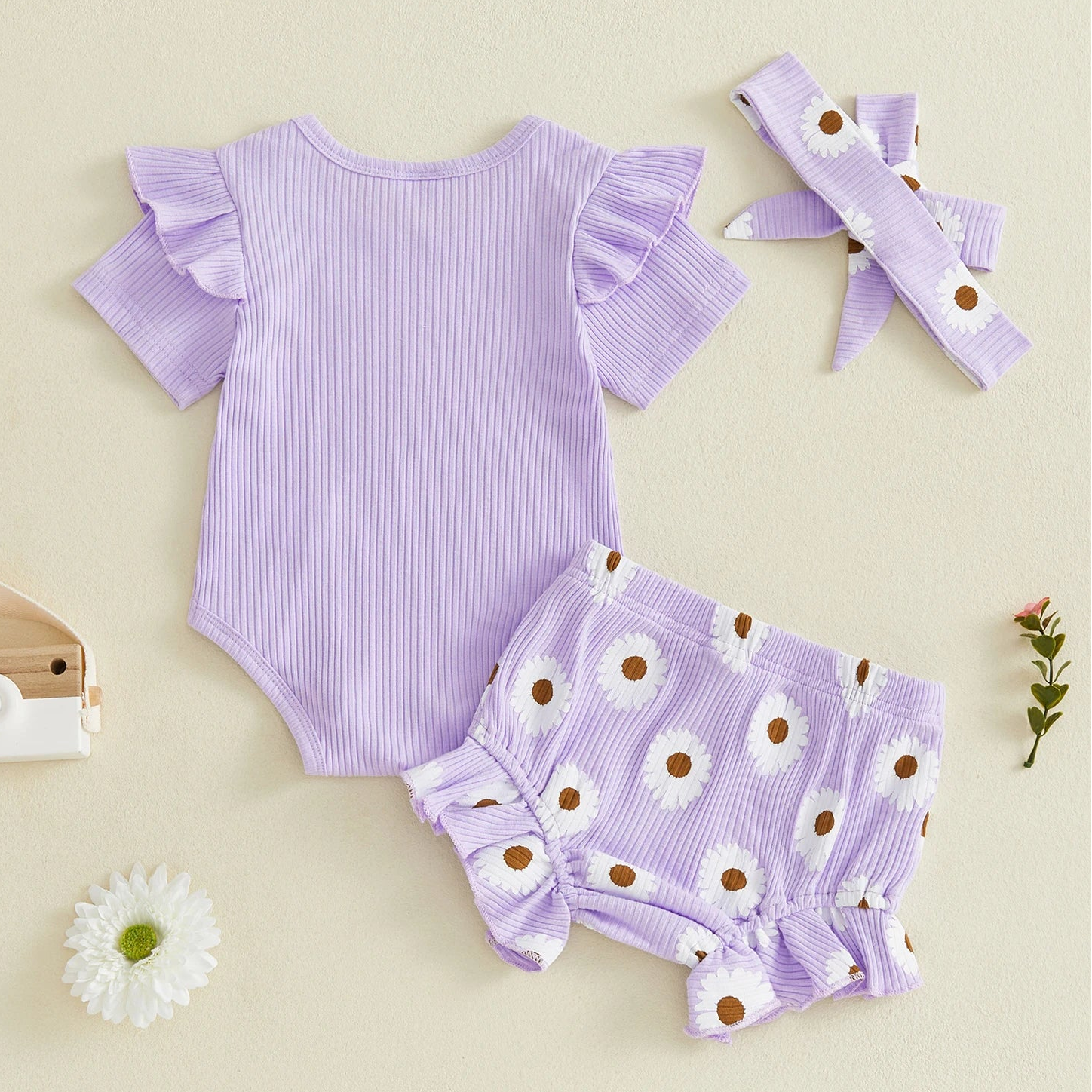
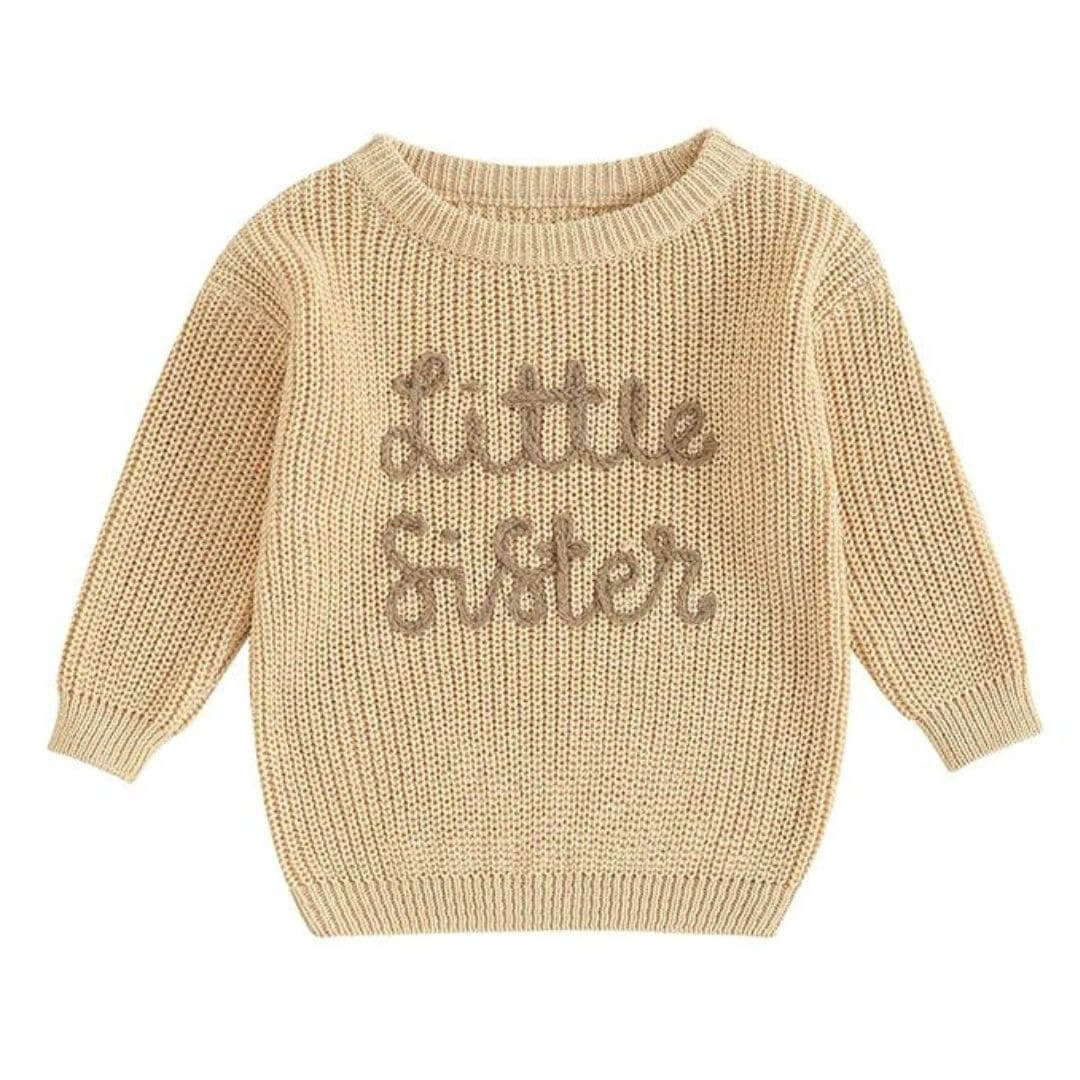
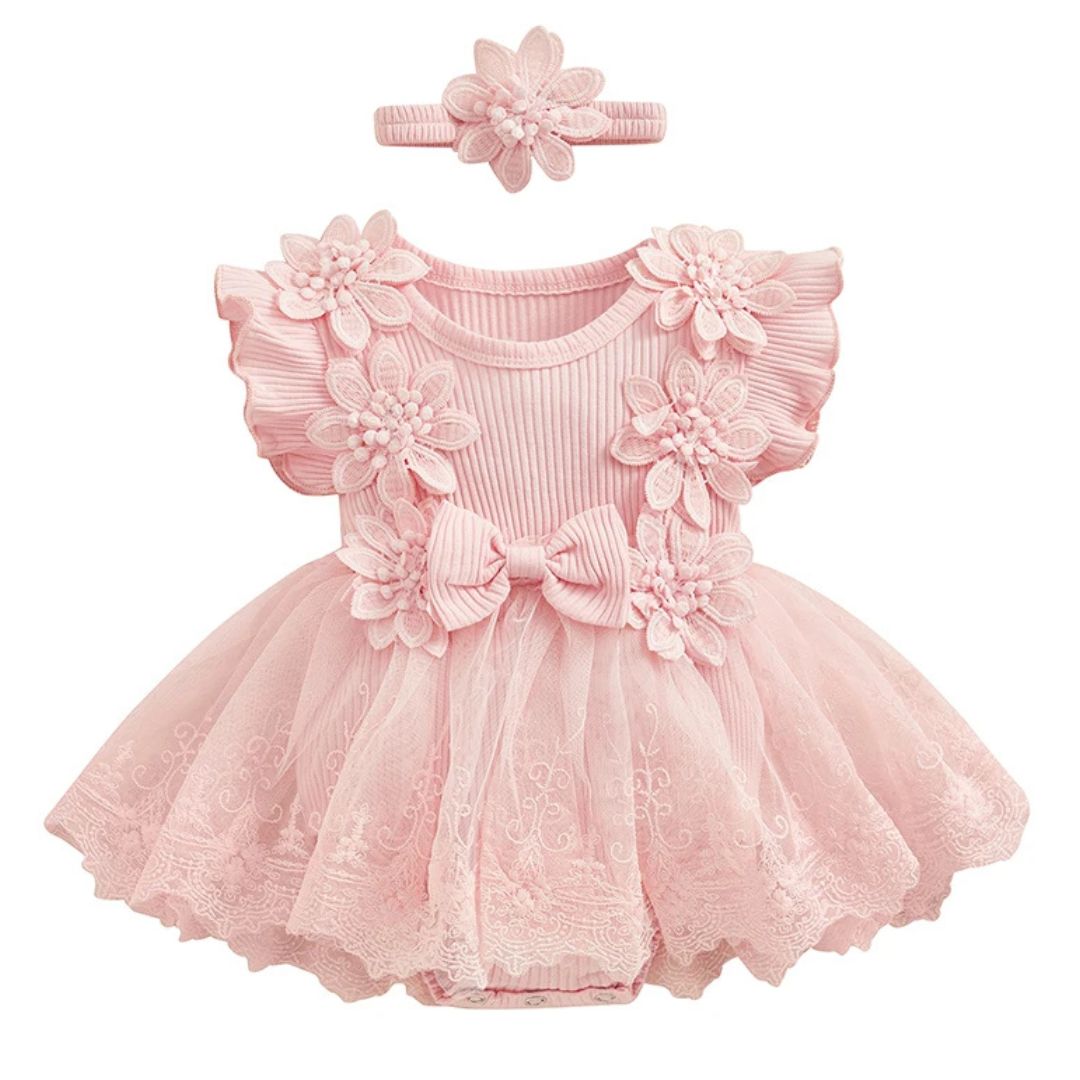
Newborns grow fast – many skip Newborn size entirely and go straight into 000. Since you won't know your baby's birth size in advance, hold off on too many NB-sized items and stock up on 000 instead.
Focus on practical: easy necklines, snap or zip fastenings, and fabrics that wash well.
-
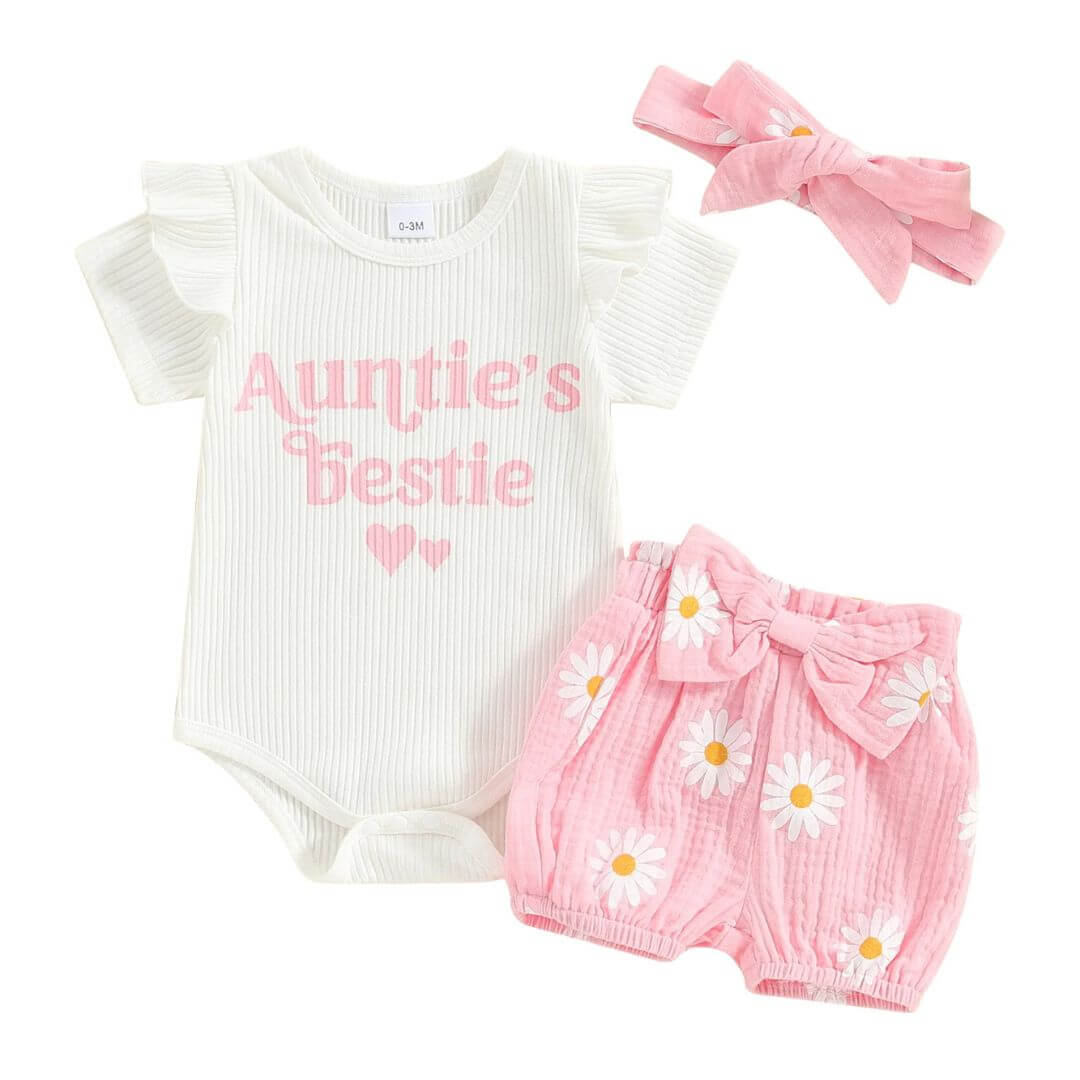
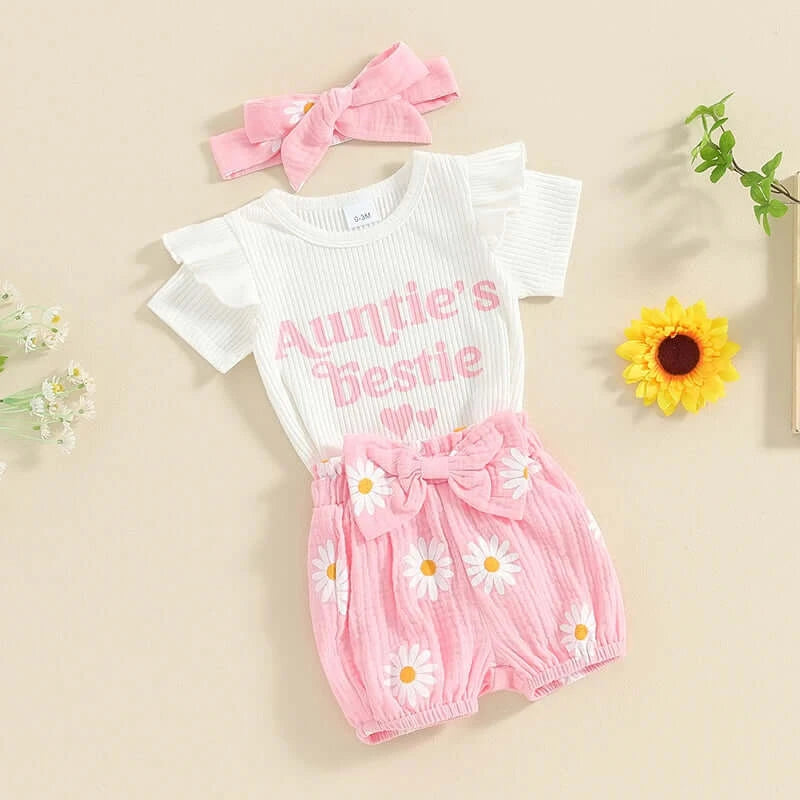
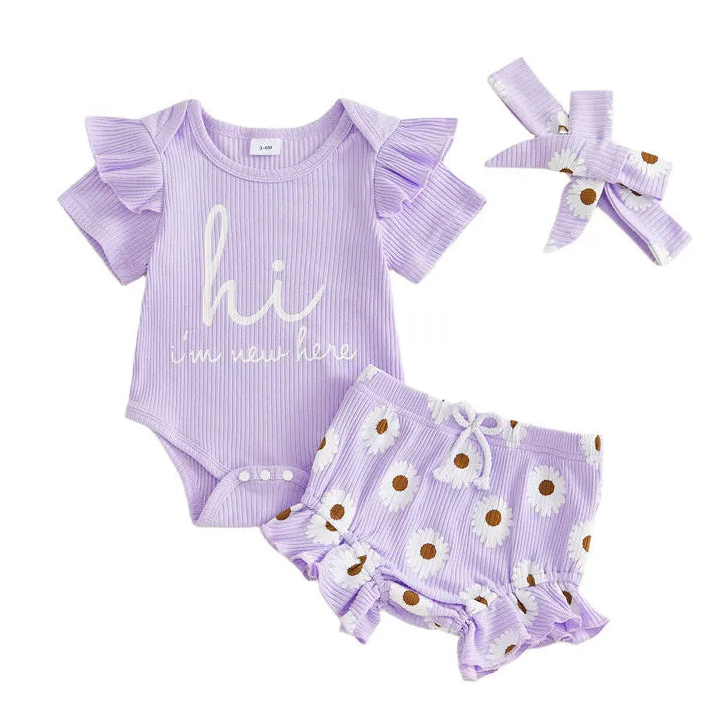
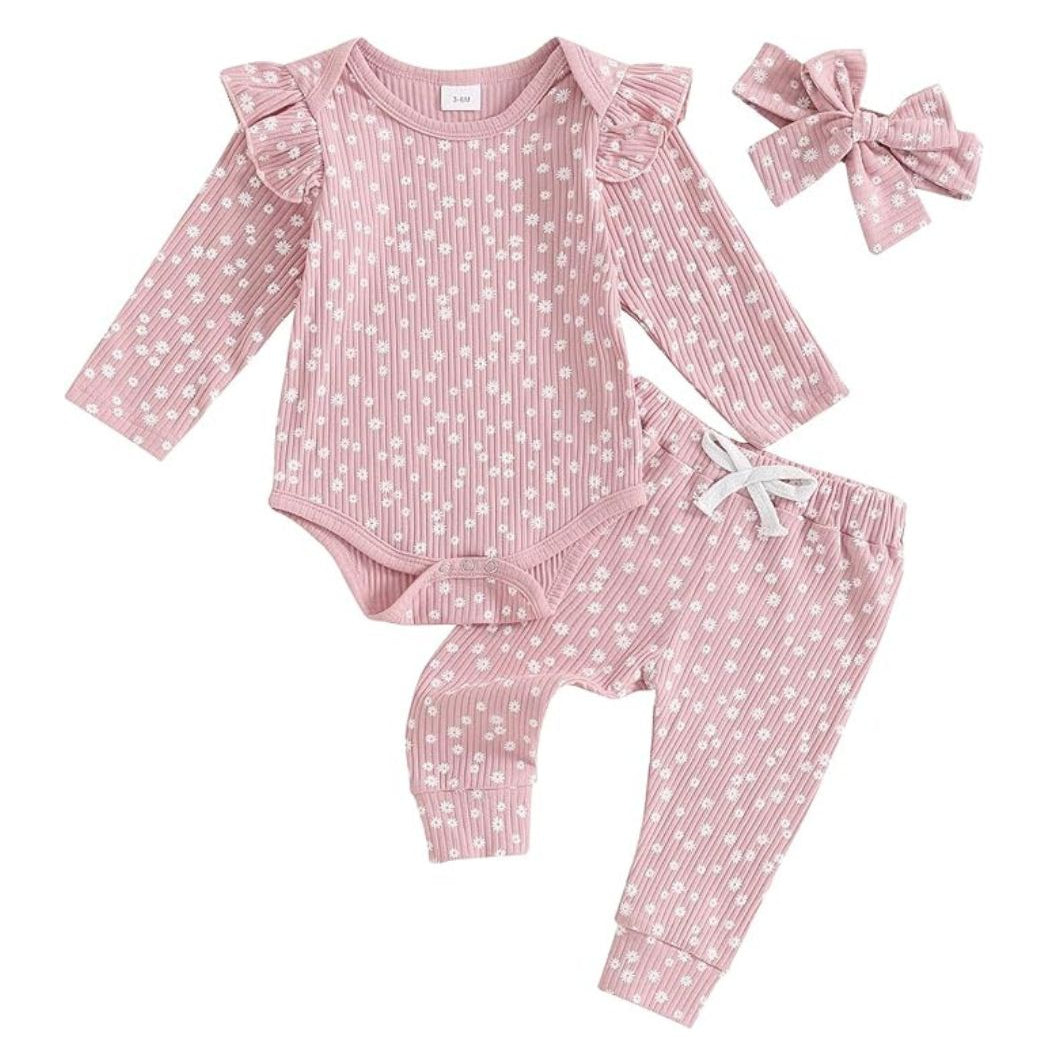
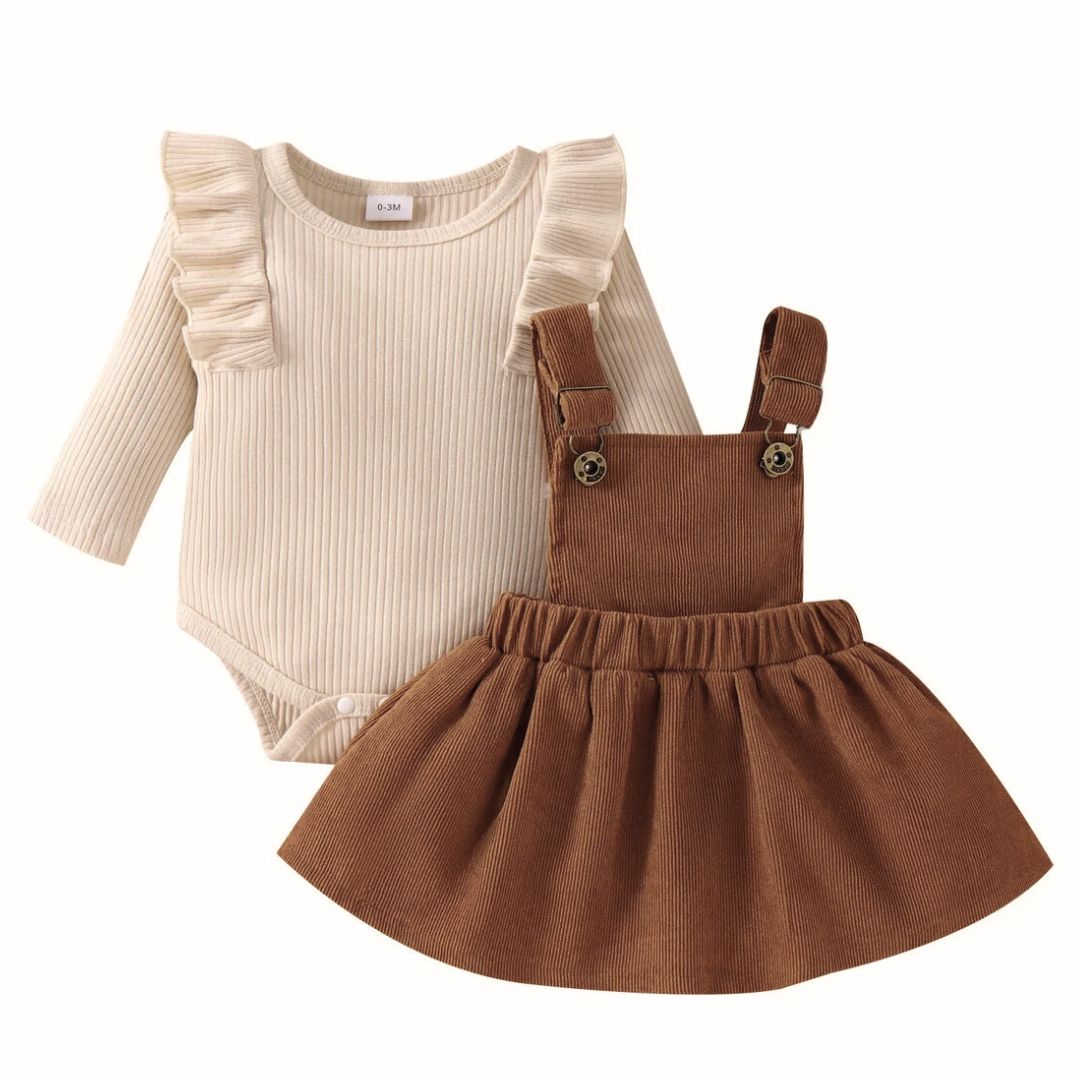
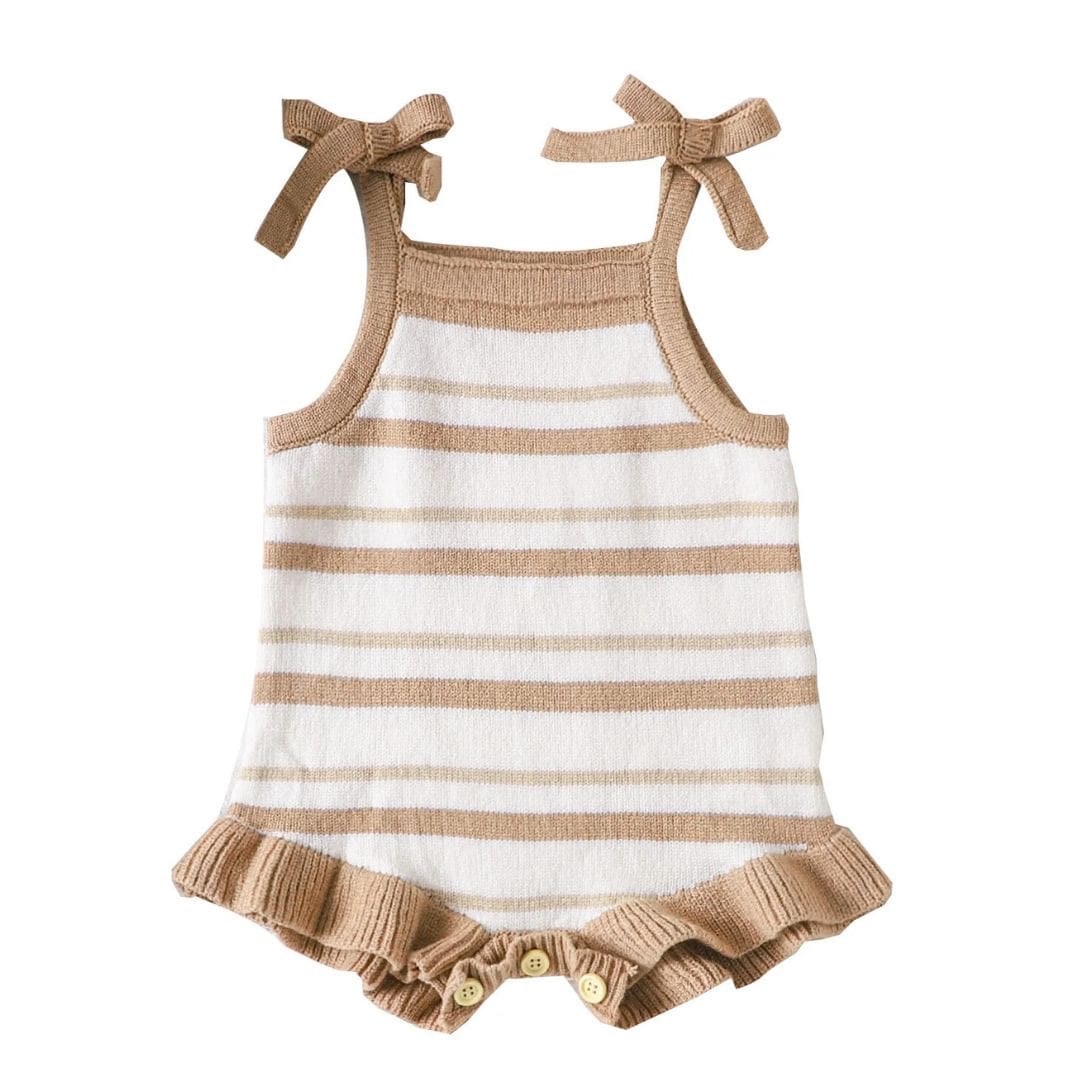
Bodysuits/onesies (6-8): Mix of short and long sleeve depending on your season. Envelope necks make dressing much easier, and snap closures at the legs simplify nappy changes.
-
Singlets/vests (6-8): A good base layer under growsuits in cooler weather.
-
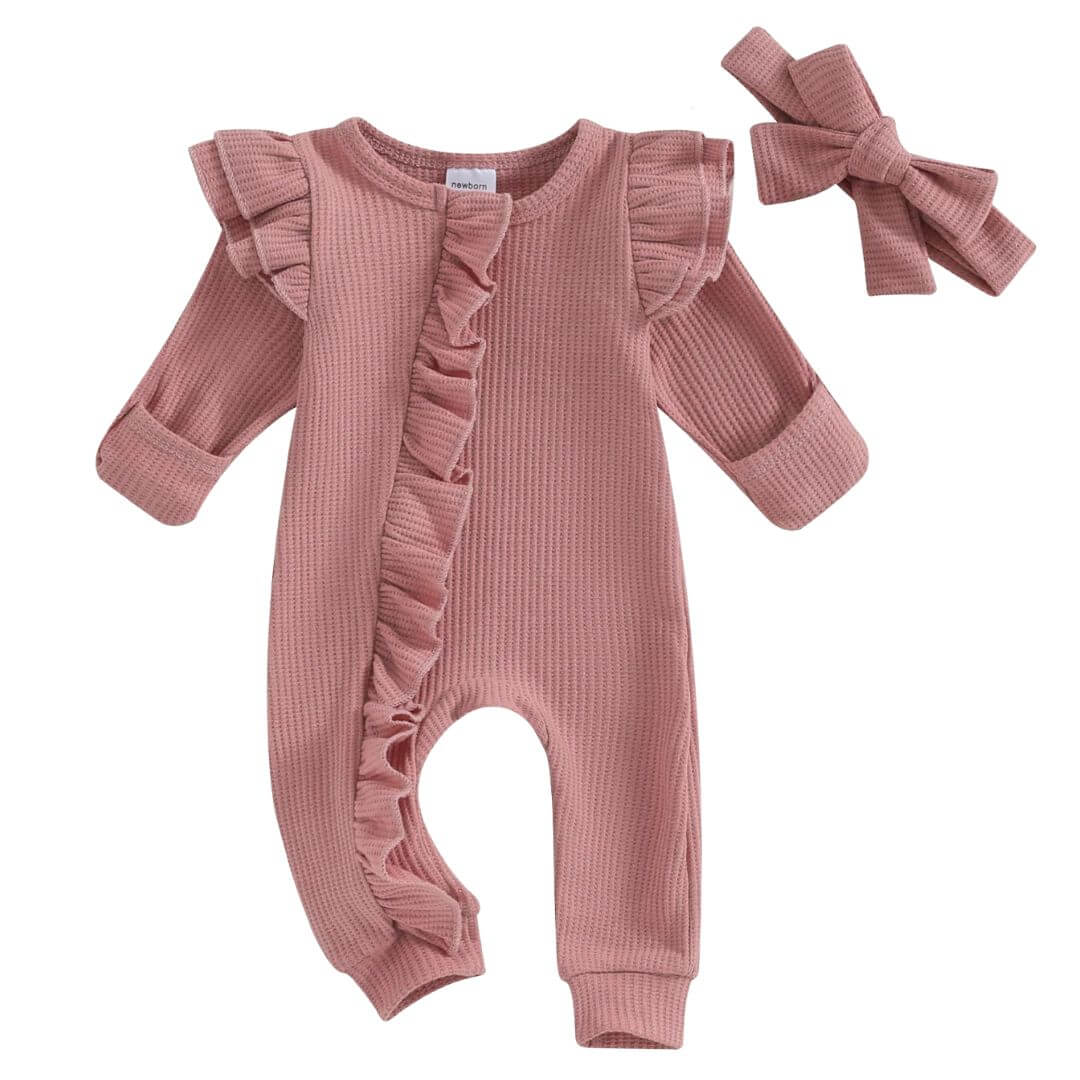
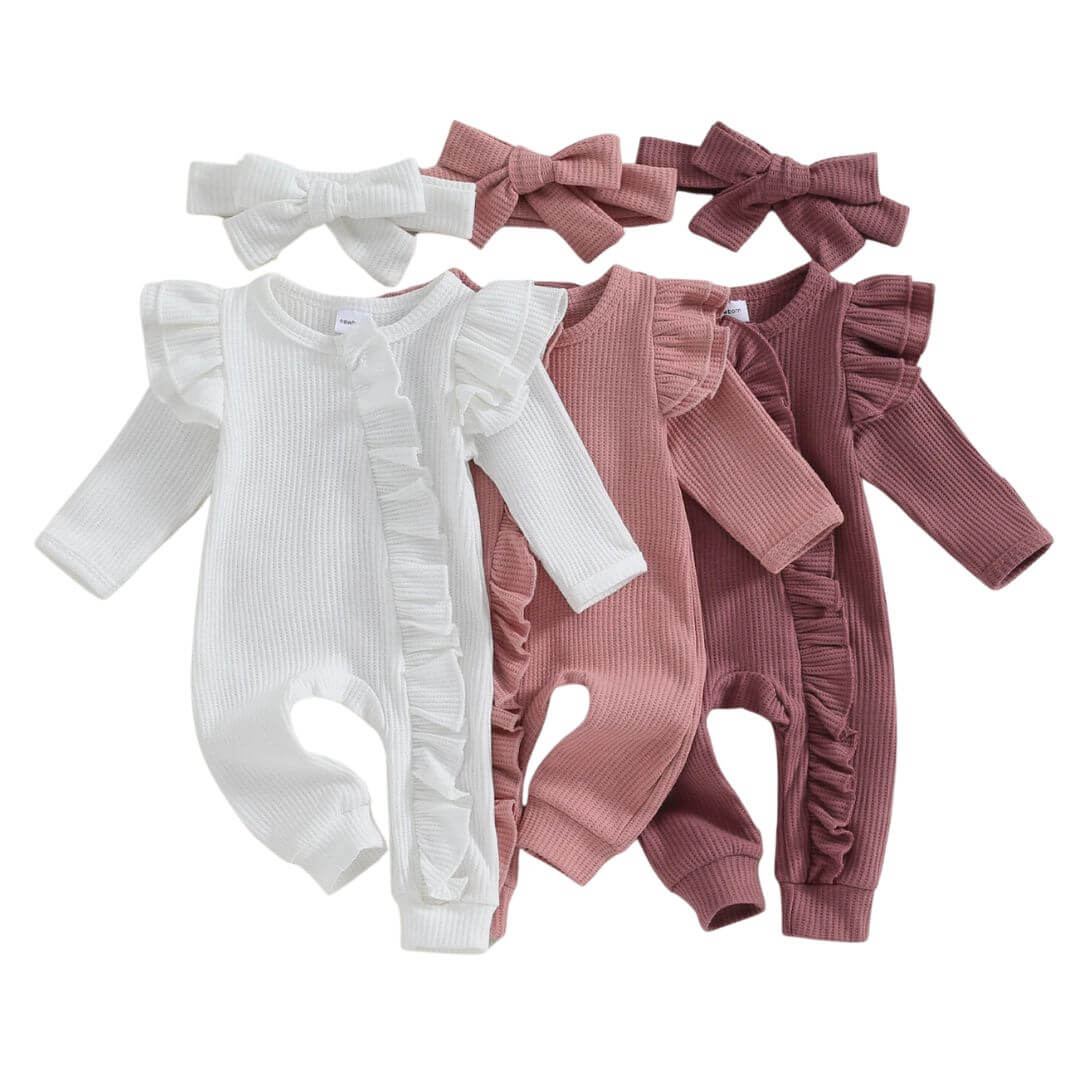
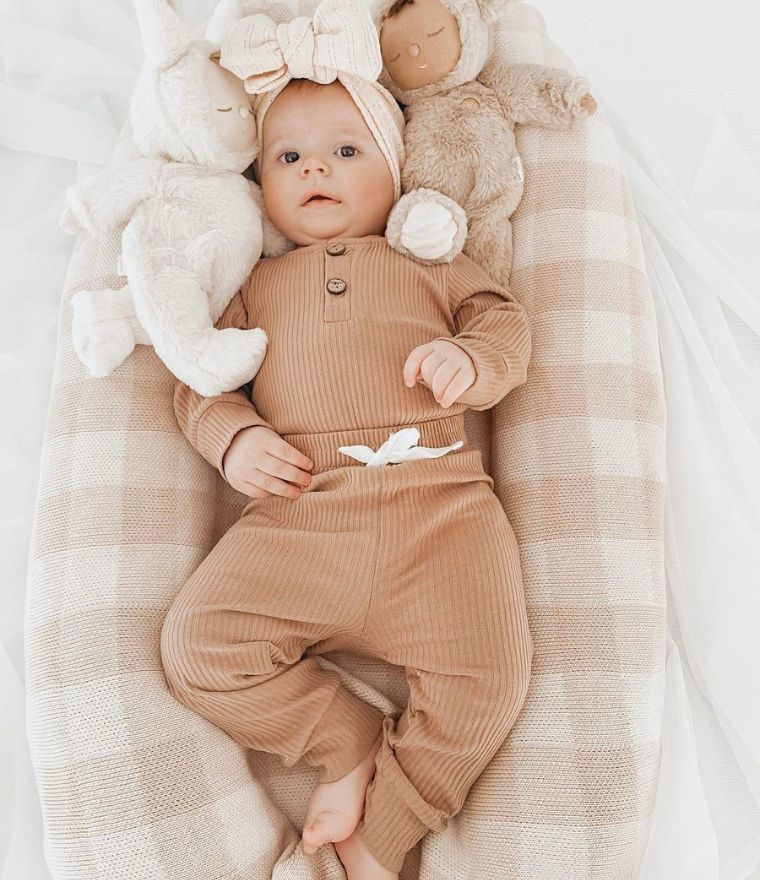
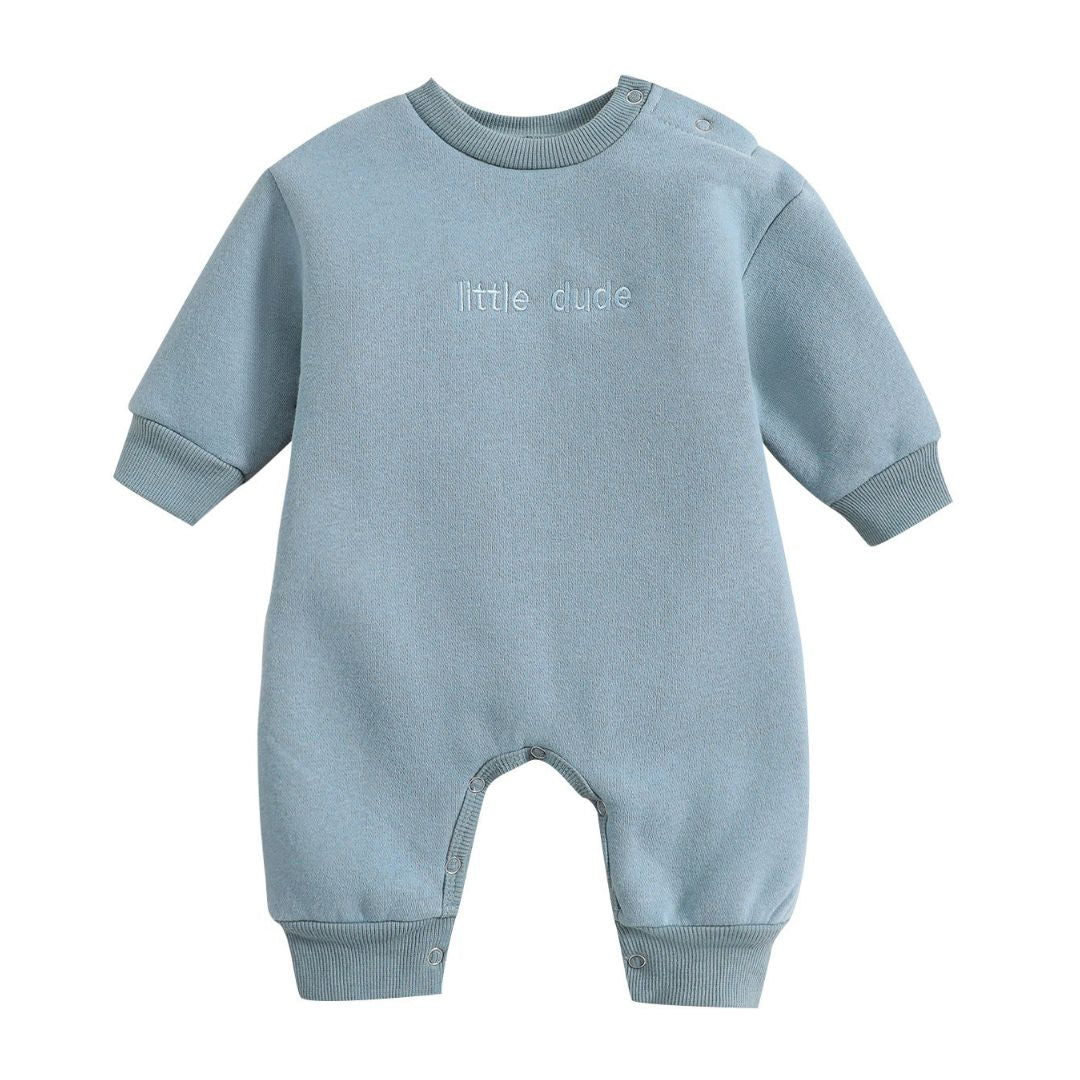
Sleepsuits/growsuits (6-8): All-in-ones with feet. These get the most use in the early weeks.
-
Socks or booties (several pairs): They fall off constantly – buy more than you think you need.
-
Beanies (1-2): For the trip home and cooler nights. Hospitals are often warm, but early morning departures can catch you off guard.
- Sun hat (1): Australia's UV is strong year-round. A broad-brimmed cotton hat is useful even in winter.
-
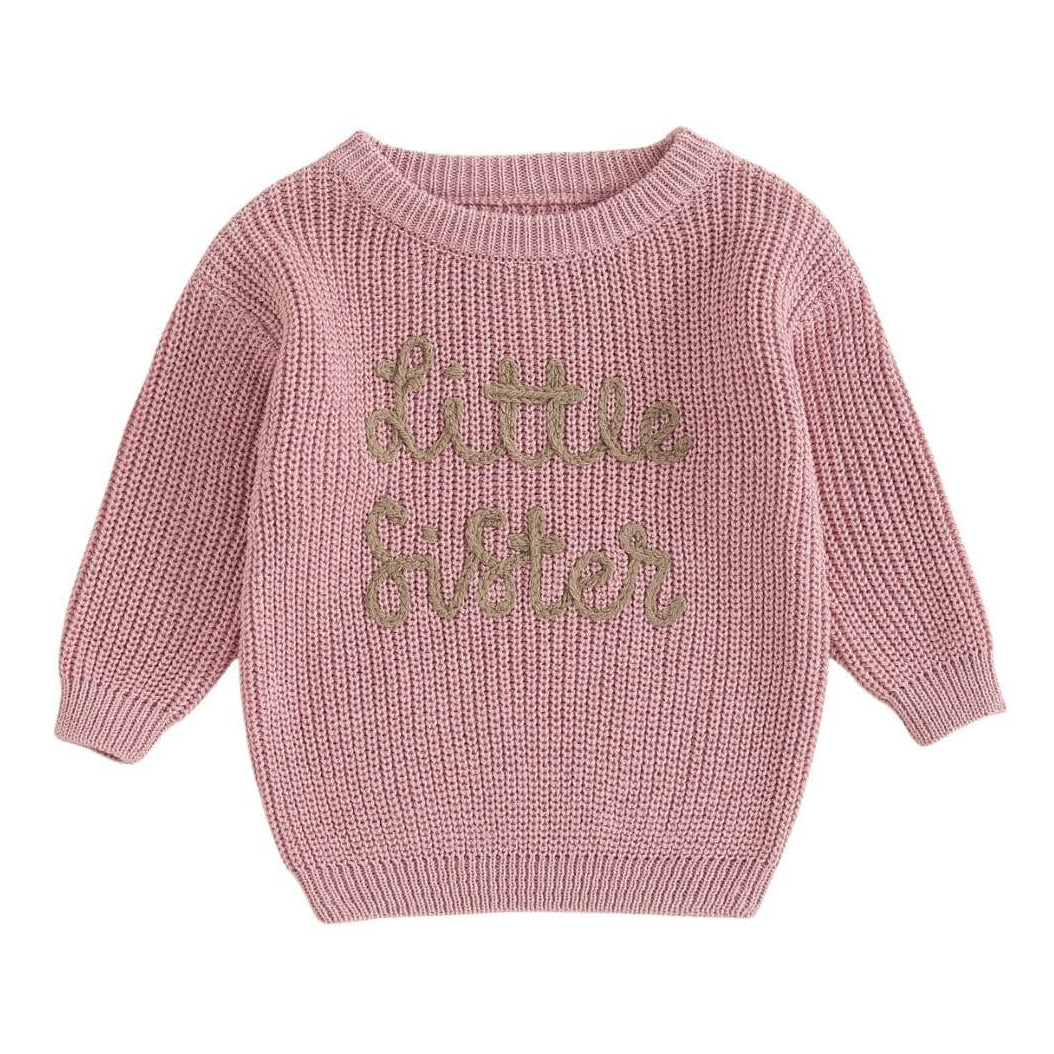
Cardigans or light zip jackets (2-3): For easy layering
- Going-home outfit: Make sure it's easy to get on and off. You'll be doing this post-birth, often one-handed.
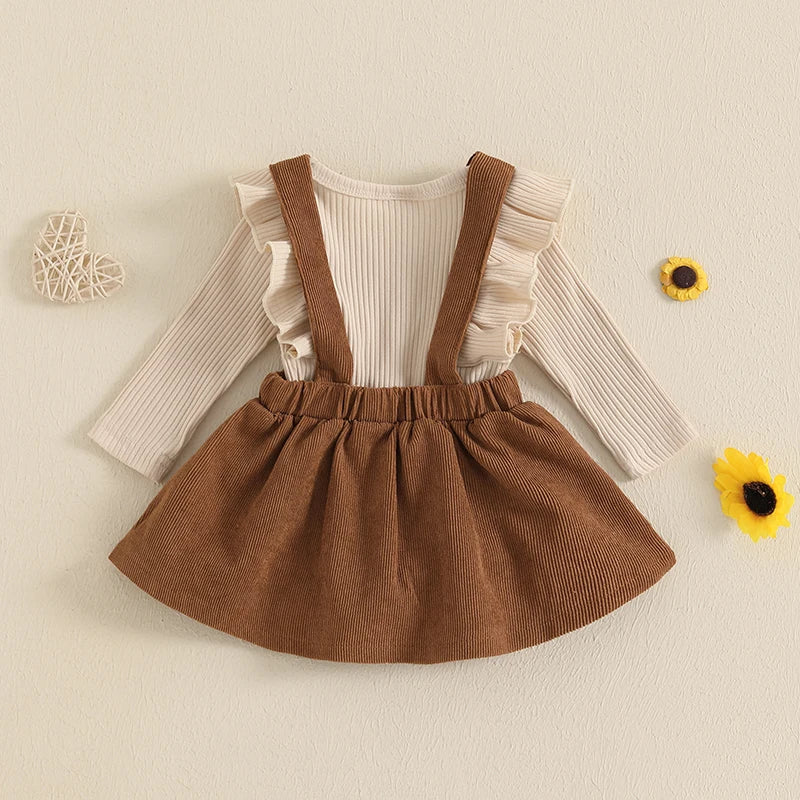
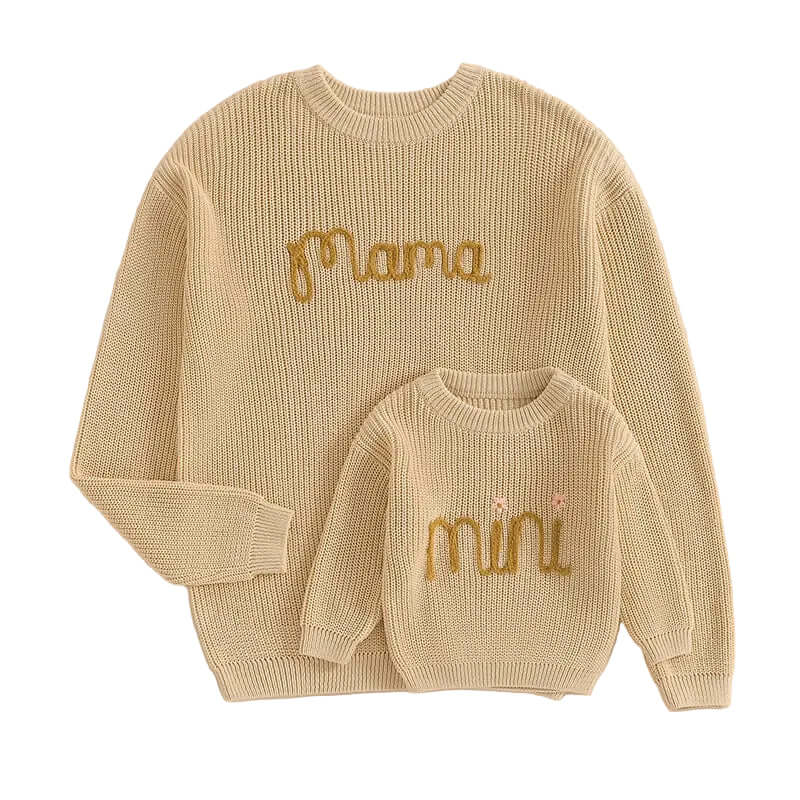
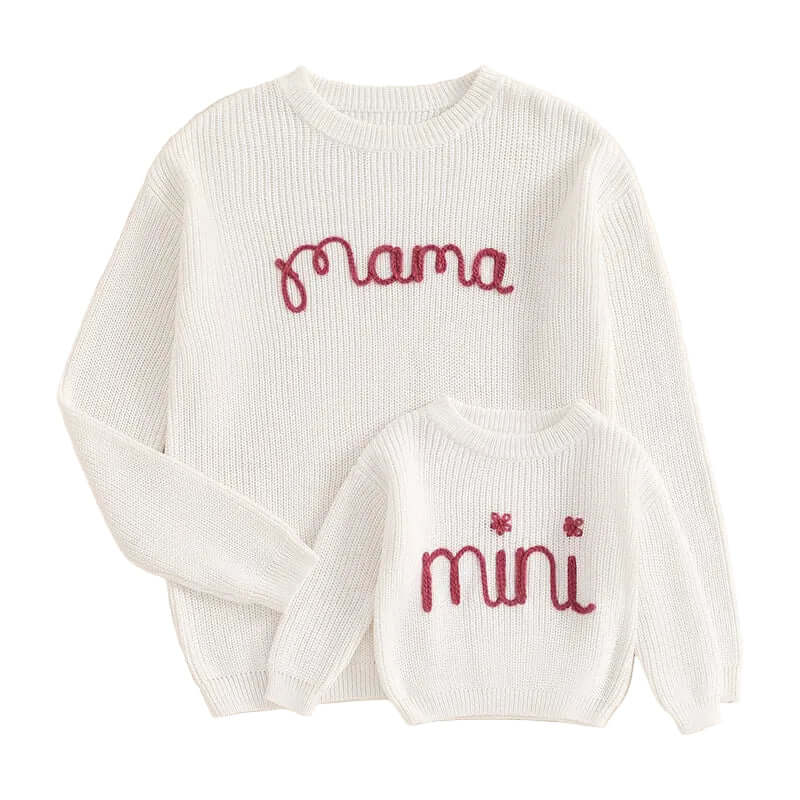
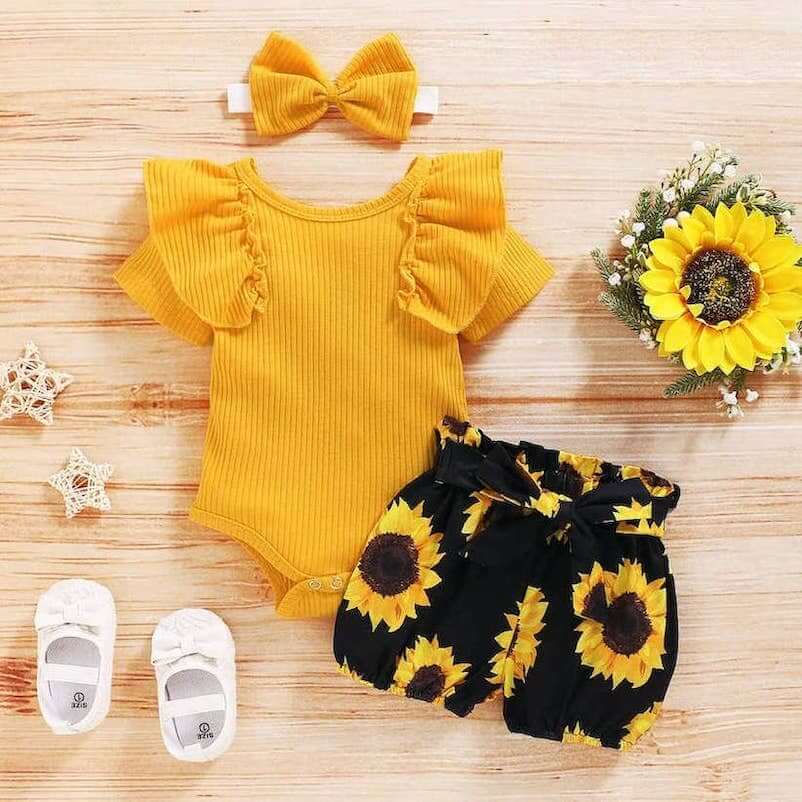
Browse Lulu Babe's baby clothes for girls and boys – we stock sizes from newborn through to size 2.

Feeding
If breastfeeding:
-
Nursing bras (2-3): Buy in late pregnancy when your size is more settled. Comfort matters more than aesthetics.
-
Breast pads: Disposable or reusable. You'll need them from day one.
-
Nipple cream: Lanolin-based creams are popular. Worth having on hand before you need it.
-
Nursing pillow (optional): Helps with positioning, especially if recovering from a caesarean.
-
Breast pump (optional): Not usually needed immediately, but useful for building a freezer stash or managing supply.
If bottle-Feeding or supplementing:
-
Bottles and teats (4–6, newborn size): Start with slow-flow teats.
-
Formula: Even if planning to breastfeed, having one tin of newborn formula on hand removes pressure in the early days.
-
Bottle brush and steriliser: Electric steam sterilisers are worth every bit of counter space – they kill 99.9% of bacteria in minutes and you'll use one multiple times a day in the early weeks.
General:
- Muslin squares/burp cloths (8–10): Use them for everything – burping, mopping up, impromptu shade, swaddling. Buy more than you think you need.
Nappy Changing
-
Nappies (newborn size): Buy a small supply to start. Newborns can go through 10–12 a day, but you don't want a large stock of a size your baby outgrows in two weeks. Consider trying a small pack from two or three brands to find what works for your baby before committing to bulk.
-
Baby wipes: Fragrance-free and alcohol-free for newborn skin.
-
Change mat: A dedicated mat for home, and a portable change wallet for your nappy bag.
-
Barrier cream: Zinc oxide-based creams are the standard. Apply at every change to prevent nappy rash.
-
Nappy bin (optional): Useful if the nursery is far from the main bin.

Bath Time
Newborns only need a bath two to three times a week – daily bathing can dry out their skin.
-
Baby bath or bath support: A small plastic baby bath is easier to manage than a full-sized tub in the early weeks.
-
Baby wash and shampoo: Mild, fragrance-free. Many dermatologists recommend plain water for the first few weeks.
-
Soft washcloths (3-4)
-
Hooded towels (2-3): Keeps baby warm straight out of the bath.
Getting Out and About
-
Infant car seat: Required by law before leaving the hospital. All car seats sold in Australia must meet AS/NZS 1754 (current version: 2024). Newborns must travel rear-facing. Have it professionally fitted before your due date.
-
Pram: Consider whether you need a bassinet attachment for a flat-lying position (essential for newborns in most prams), how it handles your regular terrain, and how it fits in your boot or on public transport.
-
Nappy bag: Backpacks are popular for hands-free carrying – especially useful when pushing a pram. Totes suit parents who prefer quick access. Most bags in either style include pram clips so you can hang it off the handlebar when you're not wearing it. See our guide if you're not sure where to start.
-
Baby carrier or sling (optional): Many parents find these invaluable for settling a newborn while keeping hands free.

Health & Safety
-
Digital thermometer: Rectal thermometers are most accurate for newborns, but underarm or temporal (forehead) thermometers are more commonly used at home. Know what temperature warrants a call to your GP (fever in newborns under 3 months is always a medical consultation).
-
Baby nail file or clippers: Newborn nails are thin and sharp. A soft emery board is safer than clippers in the first few weeks.
-
Nasal aspirator (optional): Useful when baby has a blocked nose and is struggling to feed.
-
Basic first-aid kit: Ask your pharmacist what's appropriate for newborns. Save Healthdirect (1800 022 222) in your phone before baby arrives.
Optional but Useful
- Bouncer or rocker: Helpful for settling and for a safe place to put baby down while you eat. Note that bouncers and rockers are not approved sleep surfaces – if baby falls asleep in one, move them to their flat sleep space.
- Play mat: Not immediately essential, but useful from about 6 weeks for tummy time.
- White noise machine: Many parents swear by these for settling newborns.
- Comforter or soft toy: Not for the sleep space, but many babies attach to a small comforter from a few weeks old.
For the Parents
It's easy to focus entirely on the baby list. Don't forget:
-
Postpartum recovery supplies for Mum: Maternity pads, comfortable underwear and stool softeners — especially important post-caesarean.
-
Easy food: Batch-cook before baby arrives, or set up a meal train with family and friends. The first two weeks are not the time to be cooking from scratch.
- Accept help: If someone offers to bring food, hold the baby, or do a load of washing, say yes.
You Don't Need Everything on Day One
A few things worth keeping in mind before you start adding to cart: borrow or buy second-hand where you can for items like bassinets, bouncers, and baby swings – they're often used for only a few months. If you have a baby shower coming up, a registry takes the guesswork out of gifts. And wherever possible, choose gender-neutral basics and convertible gear – a 2-in-1 cot or a carrier that grows with the baby will serve you far longer than something that's outgrown in eight weeks.
The list above covers the essentials, but you don't need it all before baby arrives. Prioritise the sleep setup, car seat, nappies and a week's worth of clothing. Almost everything else can be ordered online once you're home and have a better sense of what your baby actually needs. Every family finds their own rhythm quickly – and the things that matter most don't come in a shopping cart.
Frequently Asked Questions
-
The non-negotiables are: an approved infant car seat (fitted before birth), a safe sleep space with a firm flat mattress and fitted sheets, nappies and wipes, and enough clothing for the first few days. Everything else can be sourced after you're home.
-
Aim for 6–8 growsuits and a similar number of bodysuits. Newborns get through multiple outfit changes a day from feeds and nappy leaks. That said, don't overbuy Newborn (NB) size – many babies skip it entirely. Stock more in 000 (0–3 months).
-
At least a few weeks before your due date. In Australia, infant capsules must be professionally fitted or checked by an accredited restraint fitter.
-
Yes. Wash all new clothing, bedding, and muslins before use to remove any manufacturing residues. Use a fragrance-free, sensitive-skin laundry detergent.
-
TOG measures thermal resistance – the higher the number, the warmer the sleeping bag. Use 0.5–1.0 TOG for rooms above 22°C, 2.5 TOG for rooms between 16–20°C, and layer clothing underneath in very cold rooms. Never use a sleeping bag with loose blankets on top.




























This post contains affiliate links. We may earn a small commission if you purchase via a link, at no extra cost to you.