What to Do with Old Baby Clothes: 10 Ideas Worth Keeping


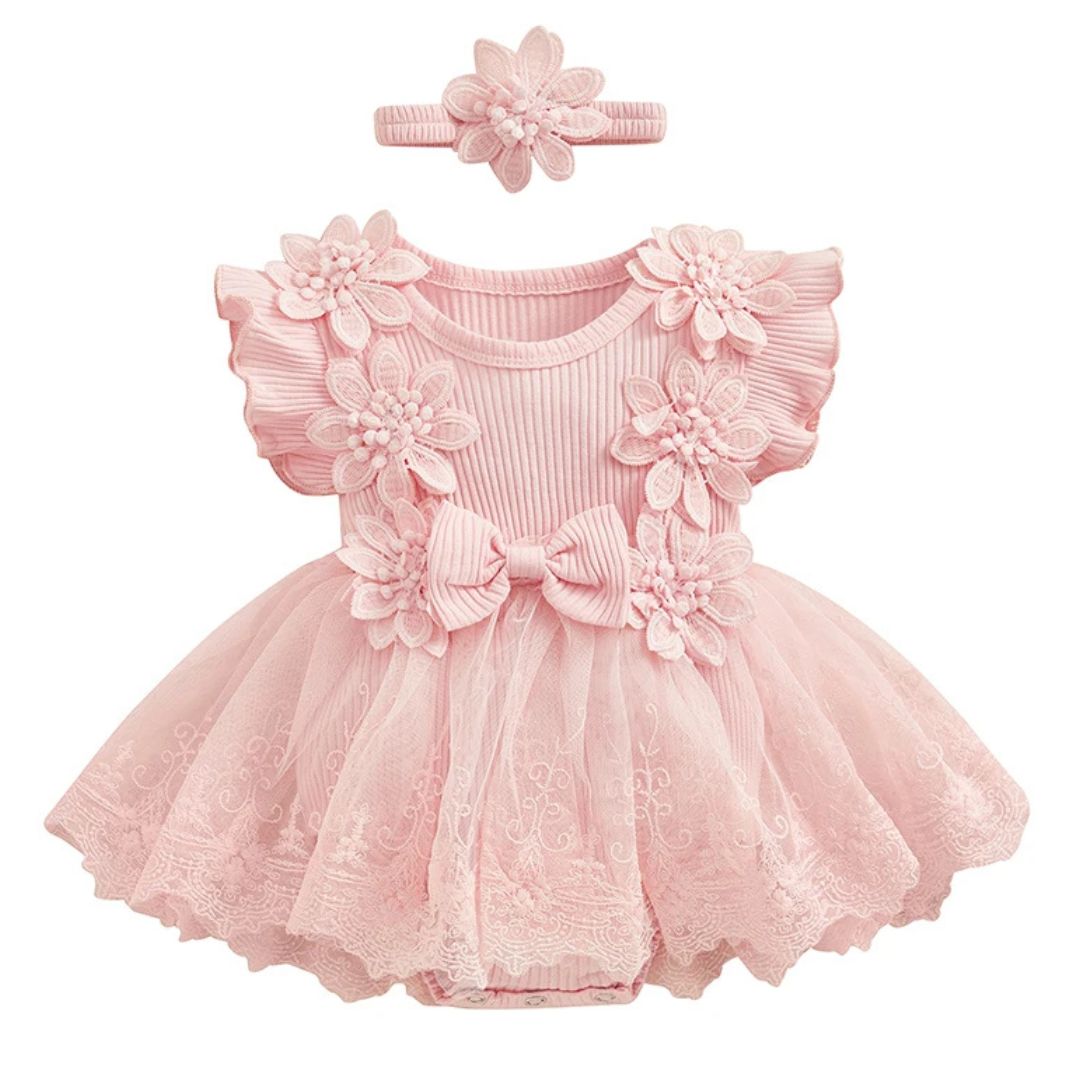
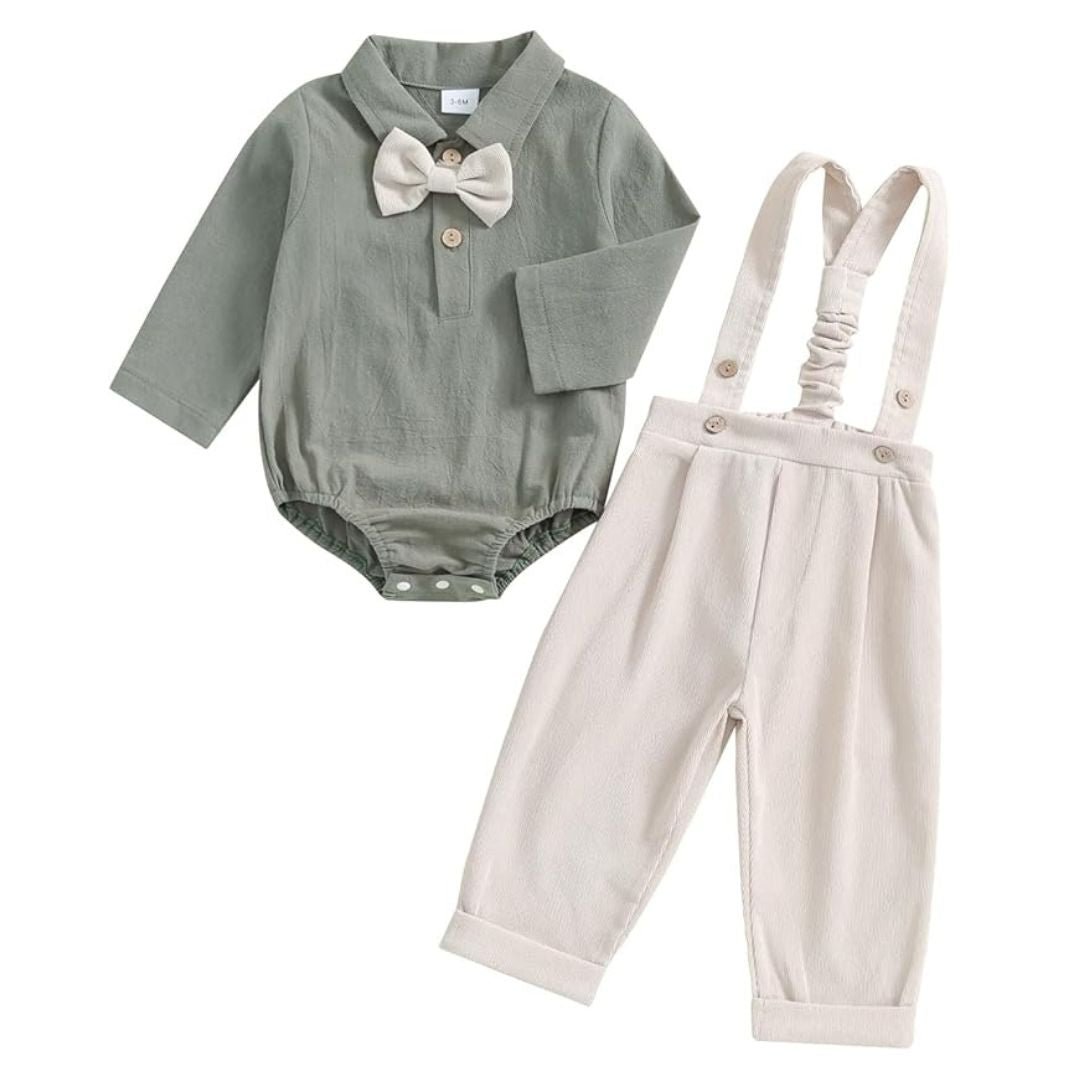
Babies outgrow clothes faster than you expect. One week a sleepsuit fits; the next it's straining at the snaps. Most parents end up with a pile of outgrown onesies, rompers and swaddles – soft, sentimental, and taking up space in the wardrobe.
Here are 10 practical ideas for what to do with old baby clothes, from keepsakes worth making to no-effort options that take five minutes.
What to Do with Baby Clothes That No Longer Fit
Start by sorting them into four piles:
- Special pieces – keep, frame or turn into a keepsake (ideas 1–4)
- Good condition – swap, donate or sell (idea 10)
- Marked or faded, but with fabric you like – upcycle into cushions, patches or doll clothes (ideas 5–8)
- Stained or worn out – cut into cleaning cloths or take to a textile recycling point (idea 9)
Keepsake Ideas for Old Baby Clothes
1. Memory Quilt
A patchwork quilt made from outgrown clothes is the most popular keepsake option for good reason – it's tactile, usable, and genuinely meaningful. Choose pieces with significance: the going-home outfit, a first birthday romper, a favourite sleepsuit worn to oblivion.
If you're making it yourself:
- Wash everything first. Around 20 squares of 15cm makes a quilt roughly pram-sized.
- Iron lightweight fusible interfacing onto the back of stretchy fabrics like bodysuits and sleepsuits. This stops the jersey warping as you cut and sew – the most common reason bodysuit quilts turn out wonky.
- Cut squares using a cardboard template, centring any prints or motifs you want to keep.
- Lay all the squares out before sewing to balance colours and patterns, then join them in rows.
Tip: If sewing isn't your thing, search for local quilters who offer memory quilt services – many Australian crafters do this, and the cost is often reasonable for what you get.
2. Shadow Box Wall Art
Some outfits are too special to cut up. Frame them instead. A shadow box display works especially well for going-home outfits, hospital beanies, or hand-knitted pieces. Add a small card with the date or occasion. It makes for beautiful, sentimental wall art for their nursery or your home.
Tip: IKEA's RIBBA deep frames work well as a low-cost shadow box alternative.

3. Memory Bear or Soft Toy
Turn old onesies or swaddles into a memory bear, bunny or simple flat animal. Kids often attach strongly to toys made from fabrics they recognise from early life, even without knowing why.
Prefer not to sew? Plenty of Australian makers create memory bears from clothes you send them – search "memory bear Australia" to find one near you.
Tip: Reuse old pillow filling as stuffing. Free and less wasteful than buying new polyester fill.

4. Christmas Ornament
A fabric ornament made from a favourite print comes out every December – a keepsake you actually see each year. Stretch a piece of fabric in a small 7–10cm embroidery hoop and add a ribbon hanger, or fill a clear plastic bauble with fabric scraps. Write the year on the back.
Tip: Make one each Christmas from that year's outgrown clothes and the tree builds a timeline of their childhood. For more festive ideas, see our Christmas activities for toddlers and kids.
Upcycling Ideas for Outgrown Baby Clothes
5. Patchwork Cushions
Patchwork cushions are a good alternative if a full quilt feels too ambitious. Use larger fabric pieces from dresses, shirts or pyjamas to craft unique cushions for a nursery or child’s bedroom.
Tip: Envelope-style cushion backs require no zips or buttons and are straightforward for beginners.

6. Appliqué Patches and Hair Accessories
Cut out motifs, characters or simple shapes from outgrown clothes and use them as appliqué patches. Sew or iron them onto new clothes, library bags or plain cushions, or use them to cover a worn patch.
Stretchy fabrics from leggings, tights, waistbands or jersey dresses also make easy headbands and bows – a good use for pieces too small or damaged for anything else.
Tip: Iron interfacing onto the back of delicate fabrics before cutting to make them easier to work with.
7. Doll and Toy Clothing
Outgrown newborn and 000 sizes are often close to doll scale. Sleeve cuffs can become skirts; baby socks work as doll jumpers. A quick project with fabric glue for non-sewers.
8. DIY Fabric Gift Wrap (Furoshiki)
Old muslin swaddles and light cot sheets make reusable gift wrap using the Japanese furoshiki method. No cutting or sewing required – just folding and tying. It's especially fitting for baby shower or newborn gifts.
Tip: Search "Furoshiki wrapping tutorial" online for quick visual guides showing different tie styles.

Practical Ways to Pass Them On
9. Cleaning Cloths and Textile Recycling
For clothes too stained or worn to repurpose sentimentally, cut them into cleaning rags. Soft, absorbent cotton items like old singlets, muslin wraps, or well-worn t-shirts make good dusters and spill wipers.
Tip: Cut them to uniform sizes and keep a stash under the sink.
Anything too far gone even for rags shouldn't go in your yellow recycling bin – most Australian councils don't accept textiles in kerbside recycling. Check your council's website for textile drop-off points instead.
10. Clothing Swap, Donate, or Sell
Not every option has to involve crafting. Good-quality outgrown clothes have plenty of life left in them.
Swap: A clothing swap through your mothers' group or a local Facebook group is one of the easiest options – bring outgrown items, leave with the next size up.
Donate: St Vincent de Paul, the Salvos and Red Cross all accept clean, good-condition children's clothing. Baby-specific charities get items straight to families who need them:
- Little Things for Tiny Tots (Perth, WA) – newborn clothing from size 000, bibs and burp cloths
- Cuddle Bundles (Sydney, NSW) – clothing 0–24 months, blankets and wraps
- St Kilda Mums (Melbourne, VIC) – baby essentials and equipment
- Baby Give Back (Brisbane, QLD) – clothing, toys and baby equipment
- Treasure Boxes (Adelaide, SA) – clothing, nappies and baby equipment
- Tassie Mums (Hobart, TAS) – clothing, shoes and bed linen
- Roundabout Canberra (ACT) – clothing and baby equipment
Check each charity's website before dropping off – most only accept clean, good-condition items, and what they need changes over time. Some women's refuges and family support services also request baby and toddler items.
Sell: Facebook Marketplace is the easiest option for second-hand baby clothes in Australia – listings are free and local buyers are easy to find. Bundling by size and gender (for example, "size 000 girls, 15 pieces") makes listings easier to find and quicker to sell.

Which Baby Clothes Should You Keep?
You don't need to keep everything. A small, well-chosen collection is easier to store and more likely to actually get used. The pieces most parents are glad they kept:
- The going-home outfit and hospital beanie
- Milestone outfits – first birthday, first Christmas, first Easter
- Anything handmade or handed down through the family
- One or two favourites they practically lived in
If a piece doesn't bring back a specific memory, it can go.
How to Store Baby Clothes You Want to Keep
- Wash before storing. Milk, food and baby lotion marks that are invisible now turn yellow over time.
- Let fabric breathe. Use cotton storage bags or a box lined with acid-free tissue paper. Sealed plastic tubs can trap moisture and cause mildew.
- Choose a cool, dark, dry spot. A wardrobe shelf is better than the garage or roof space, where heat and humidity damage fabric.
Frequently Asked Questions
Which baby clothes should I keep?
Keep pieces tied to a specific memory: the going-home outfit, milestone outfits like a first birthday or first Christmas, anything handmade or handed down, and one or two everyday favourites. Most parents find a small box is plenty.
Can I donate baby clothes to a women's refuge?
Often, yes – many refuges and family support services need baby and toddler clothing. Refuge addresses are kept confidential, so contact the service first or donate through a charity that supplies them.
How do I get yellow stains out of stored baby clothes?
Soak the clothes in warm water with an oxygen-based bleach such as Napisan for several hours or overnight, then wash as normal. Spot-test first, and avoid chlorine bleach on coloured or delicate fabrics.
Can old clothes go in the recycling bin?
No – most Australian councils don't accept clothing or textiles in kerbside recycling bins. Donate wearable items, cut worn-out pieces into cleaning cloths, and check your council's website for textile drop-off points.
Give Outgrown Clothes a New Life
Reusing baby clothes doesn't have to mean an ambitious craft project. Whether it's a memory quilt you'll keep forever or a bag of donations dropped at the local Vinnies, doing something intentional with them feels better than a bin bag in the back of the wardrobe.
Clearing space for a new arrival? Our newborn essentials checklist covers what you actually need.