How to Design a Nursery: 10 Practical Tips
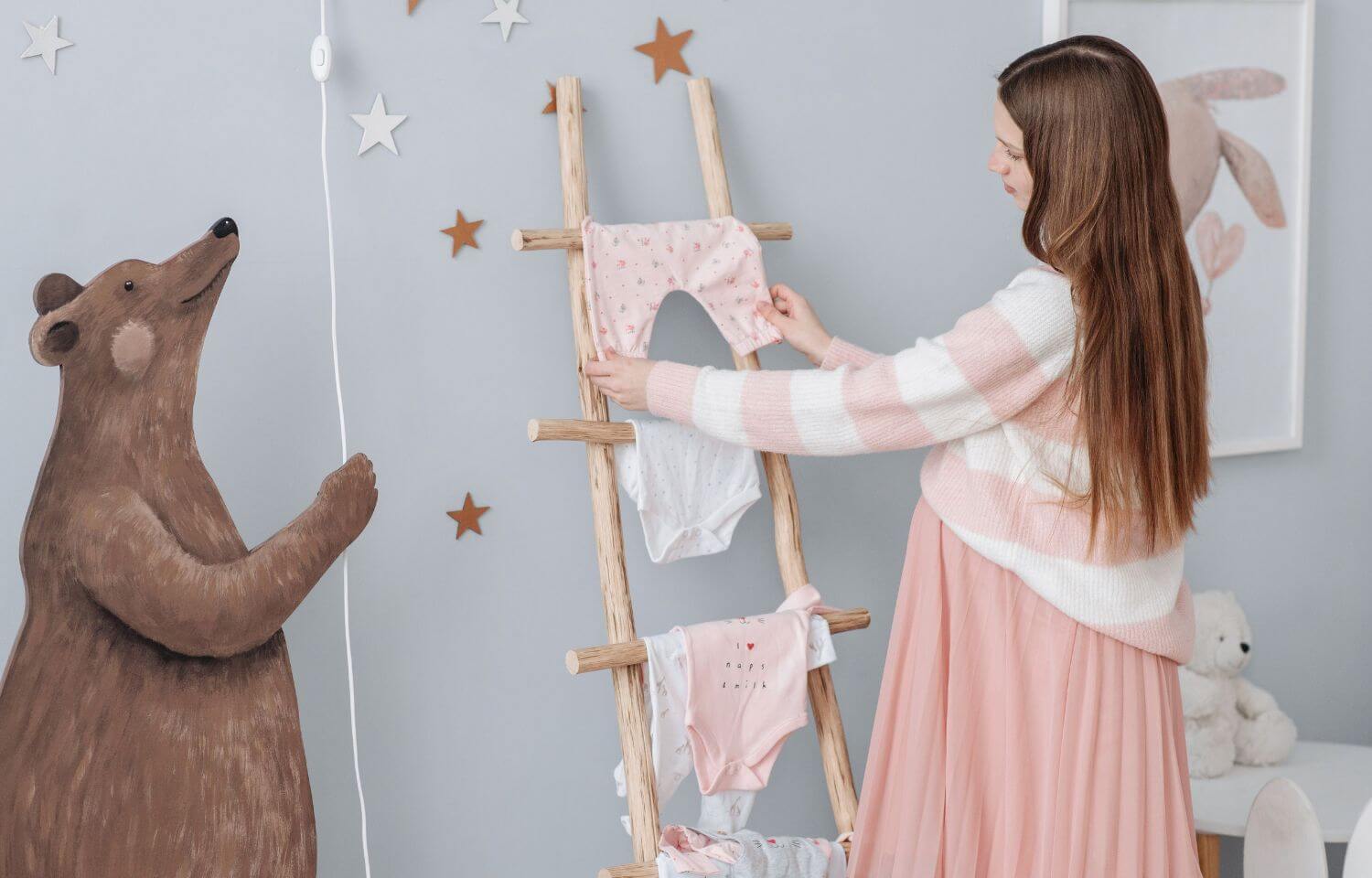

A well-designed nursery is calm, safe and easy to use at 3am. Getting there is mostly about planning the layout before you buy anything, then layering in colour and personality once the practical pieces are in place.
One thing worth knowing before you start: Red Nose recommends babies sleep in their own safe sleep space in your room for the first 6–12 months. That means the nursery often starts out as a changing, feeding and play space, and becomes the main sleep room later. Design it with both stages in mind.
Here are 10 practical tips for how to design a nursery that works now and grows with your baby.
1. Plan the Layout Before You Buy
Measure the room, including window positions, doors, power points and heating or cooling vents. Sketch a simple floor plan on graph paper or a free room-planning app, then place furniture in this order:
- Cot first – on a wall away from windows, heaters and blind cords.
- Change table or dresser – near the storage you'll use most, with everything within arm's reach so you never step away from baby mid-change.
- Feeding chair – in a quiet corner with space for a side table and lamp.
Leave a clear path from the door to the cot that you can walk in the dark without tripping on a toy basket.
2. Start with a Calm Colour Base
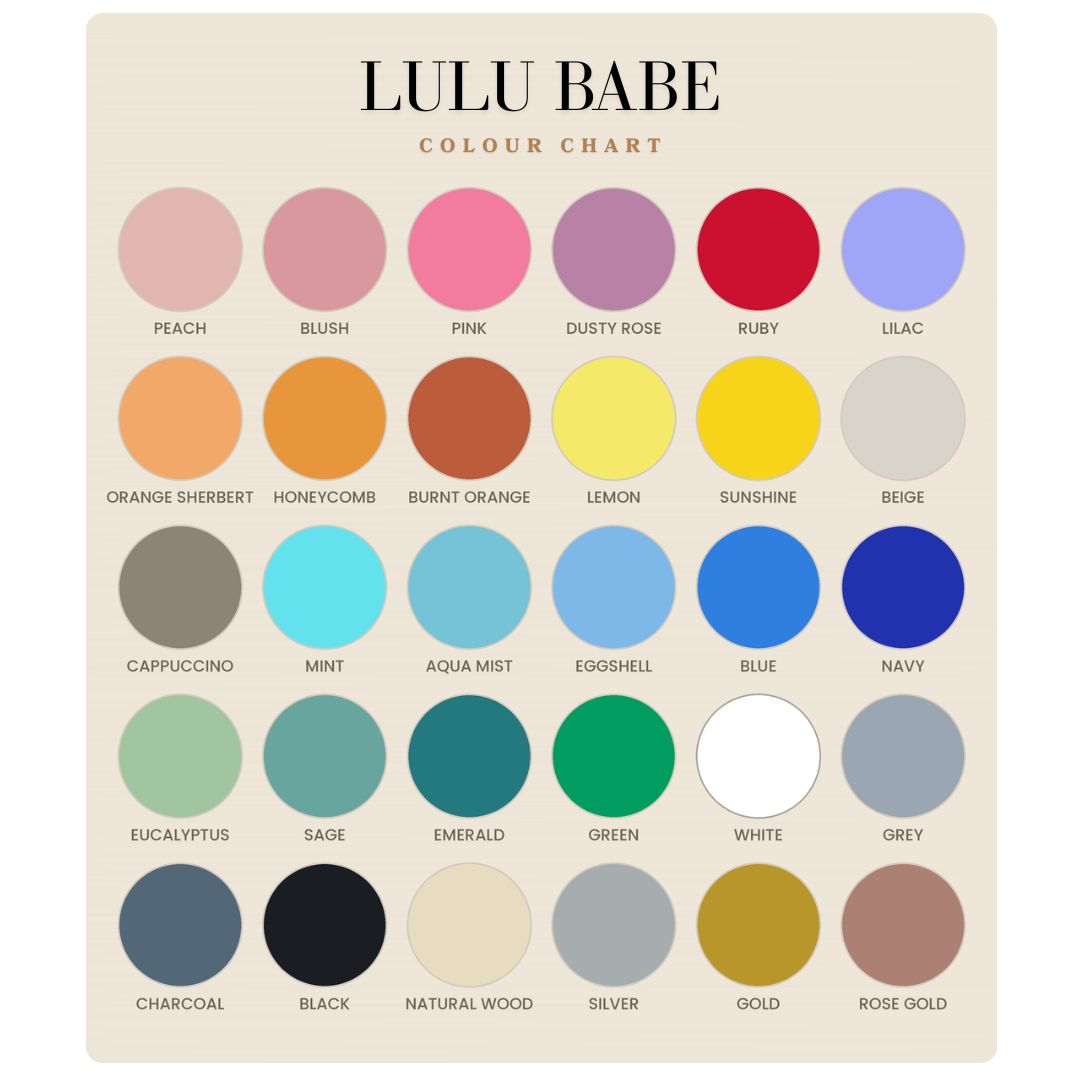
Gentle neutrals and soft pastels – warm grey, taupe, off-white, ivory, and muted blues or greens – create a restful space and make future style updates simple.
Add brighter accent colours and patterns through pieces that are easy to change, like bedding, rugs, cushions and wall décor. You can then update the room as your child grows without repainting.

3. Create One Focal Point
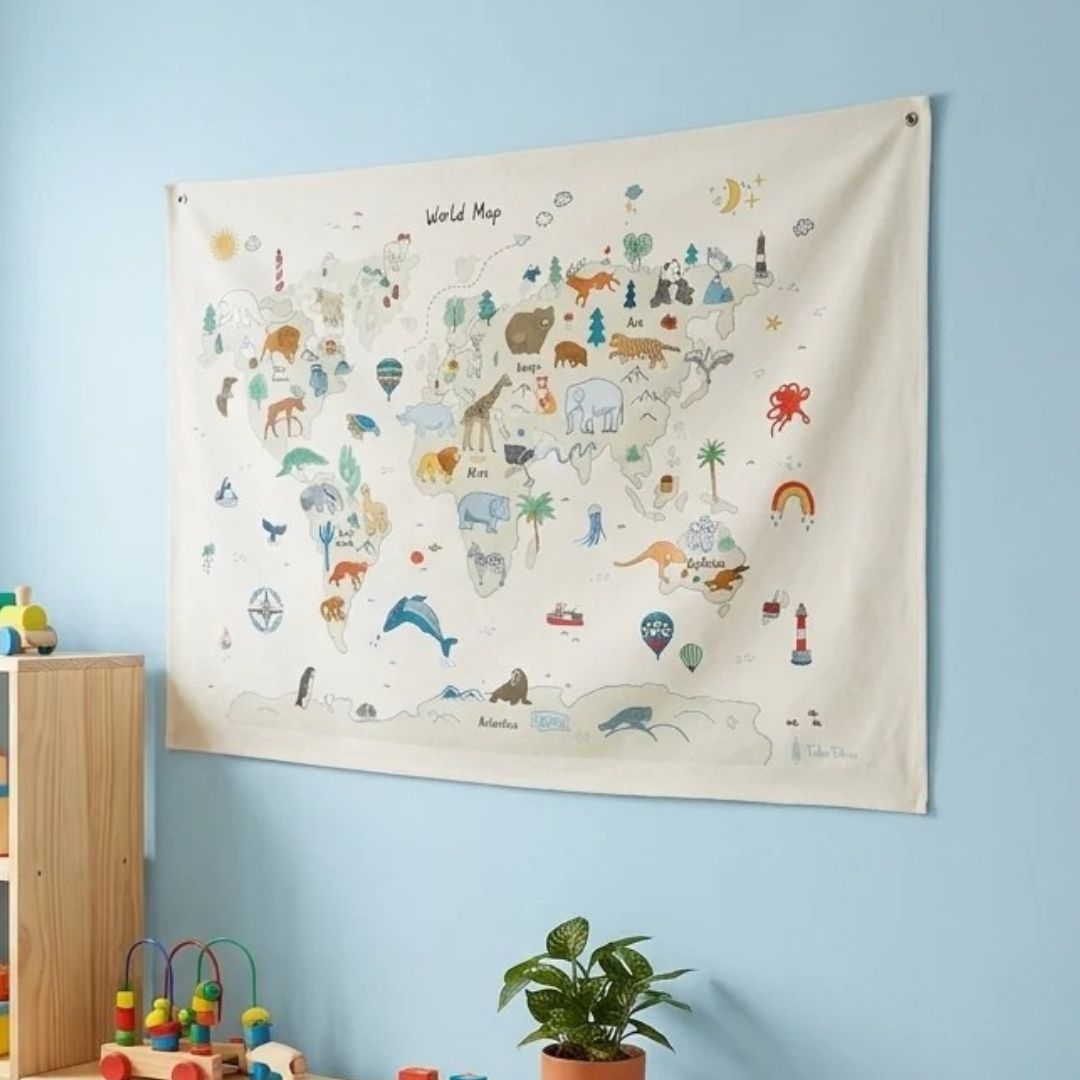
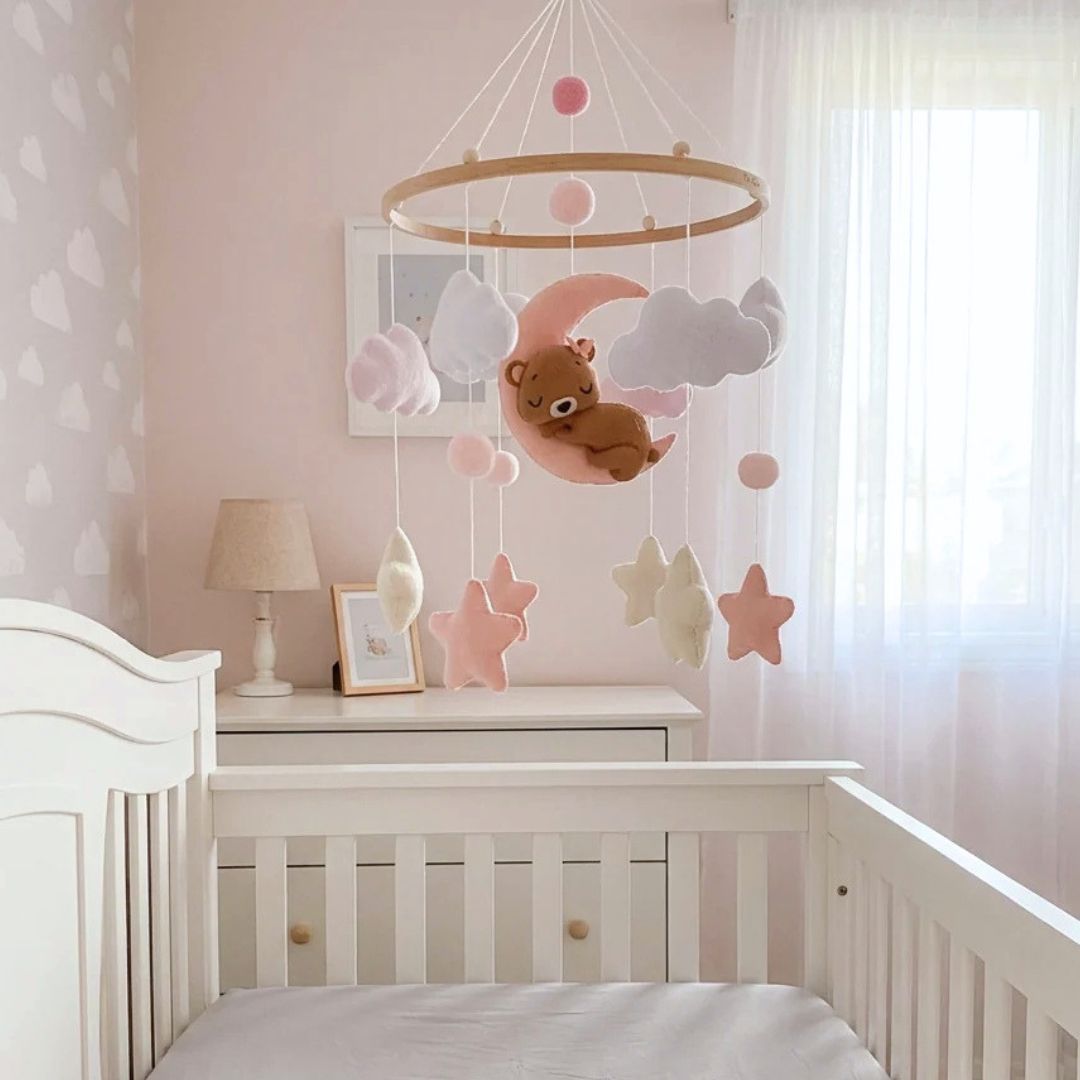
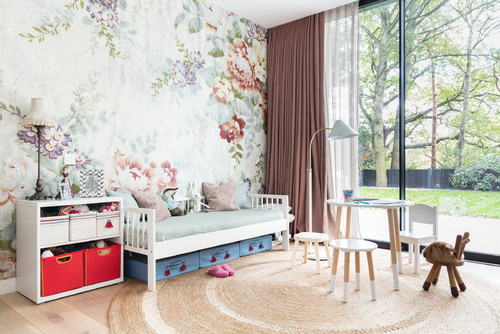
A statement wall gives the room instant character. The wall behind the cot is the natural spot – try a subtle wallpaper, an accent colour or a piece of artwork.
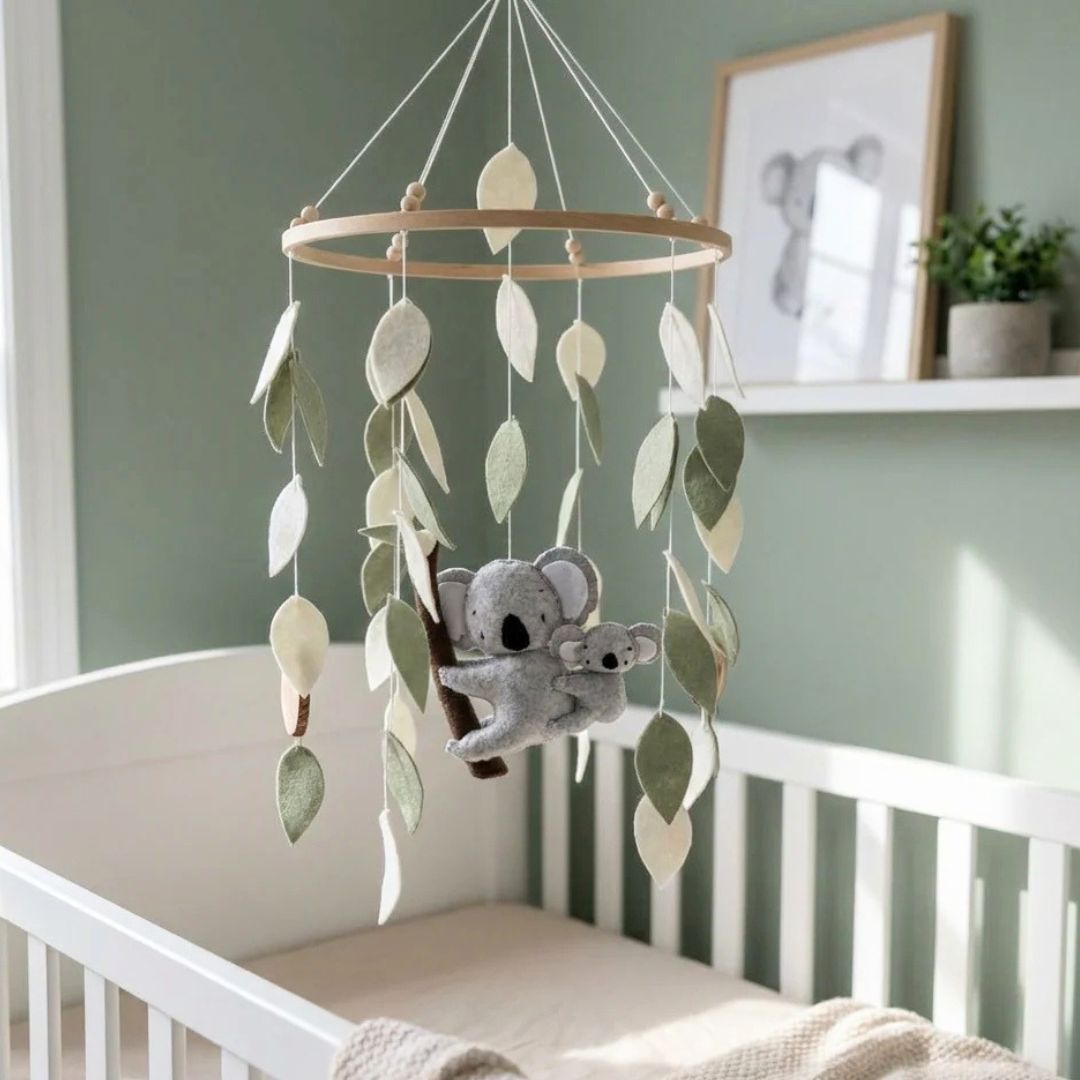
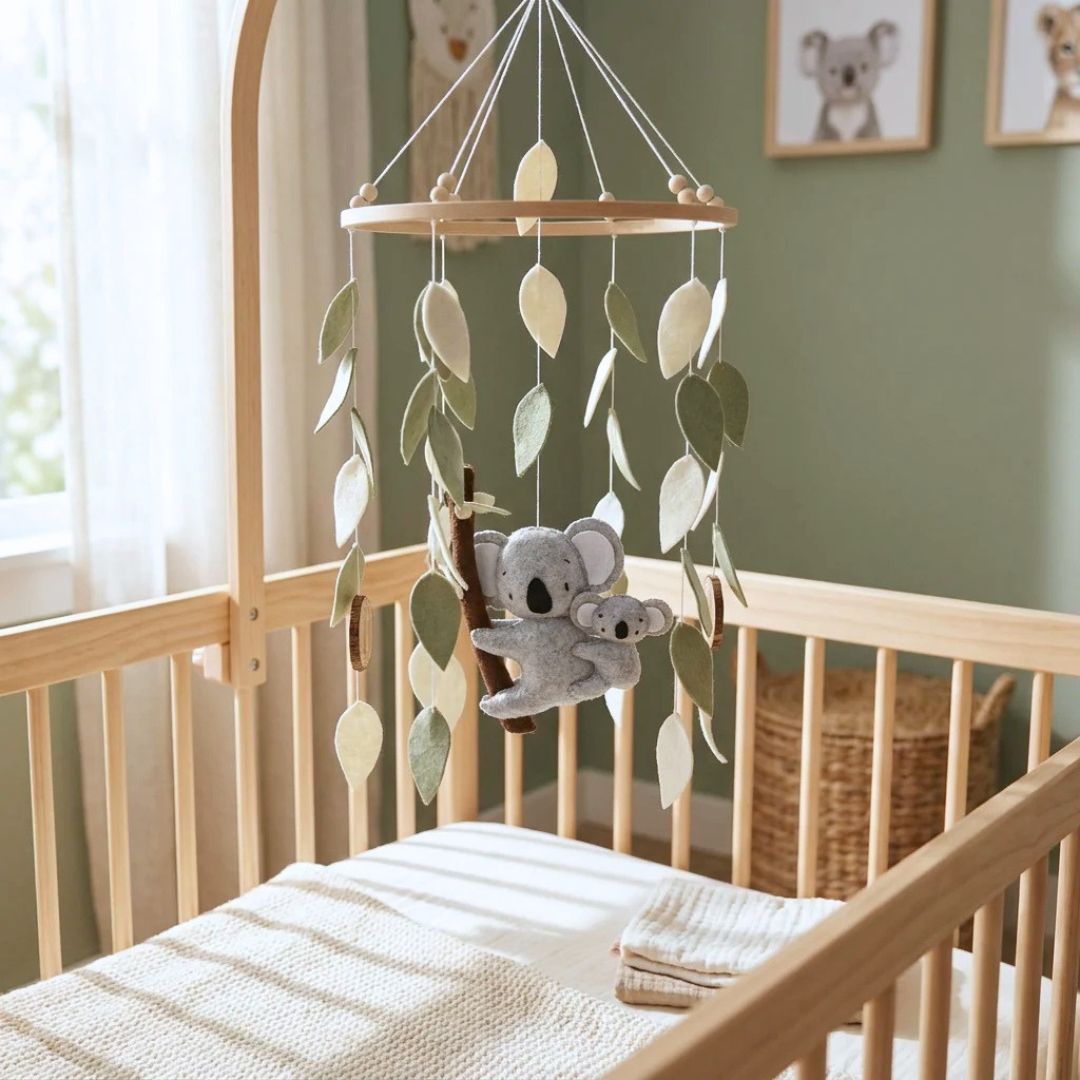
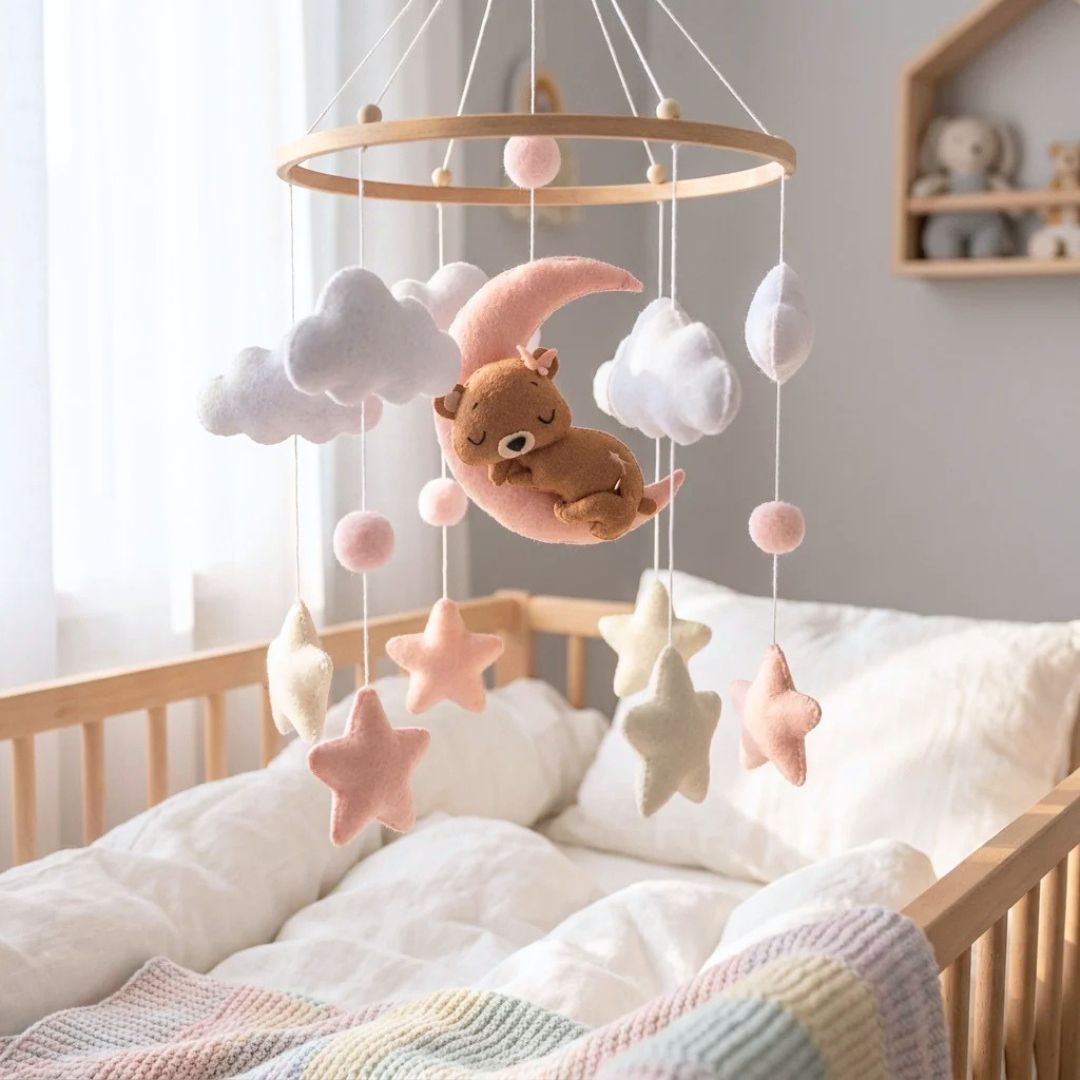
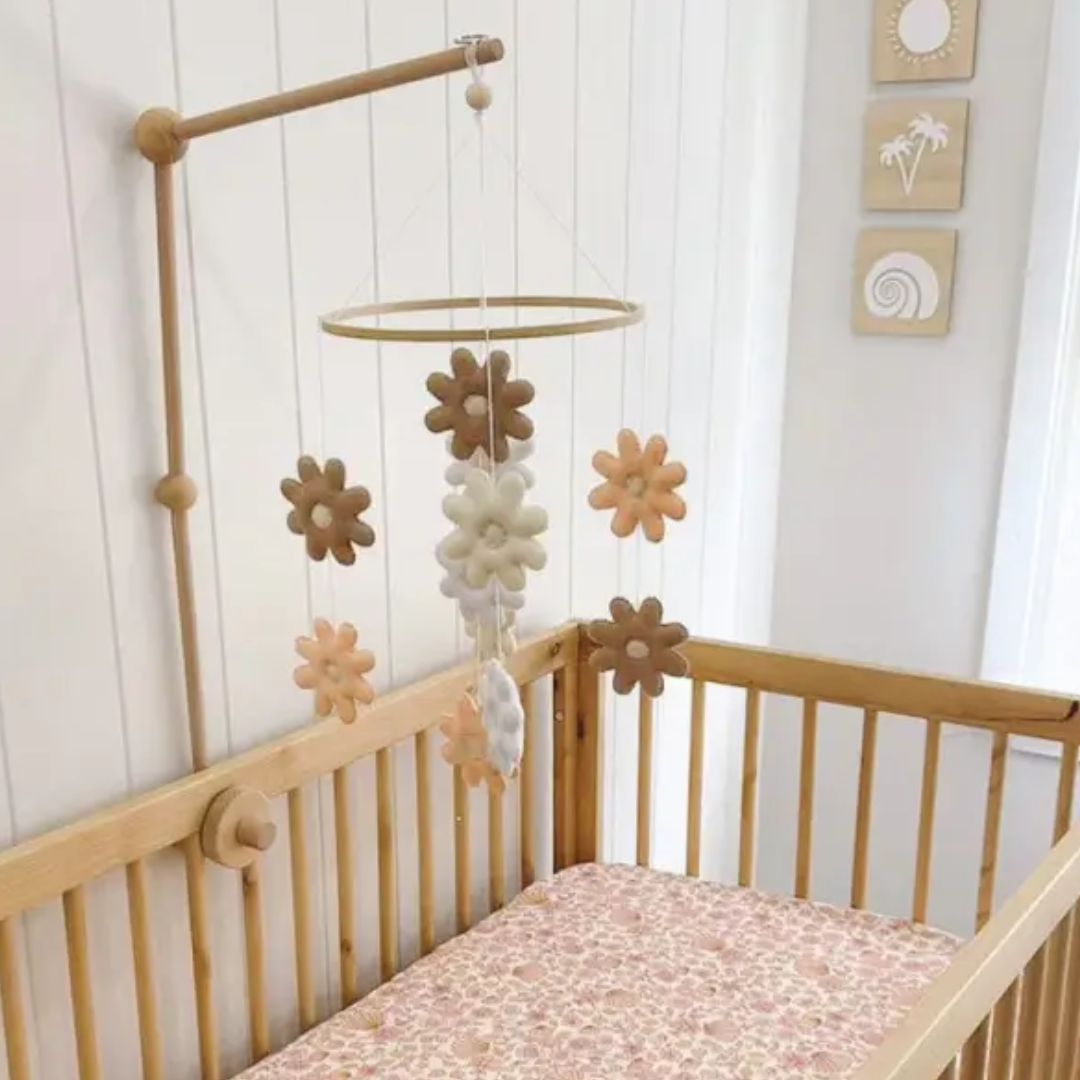
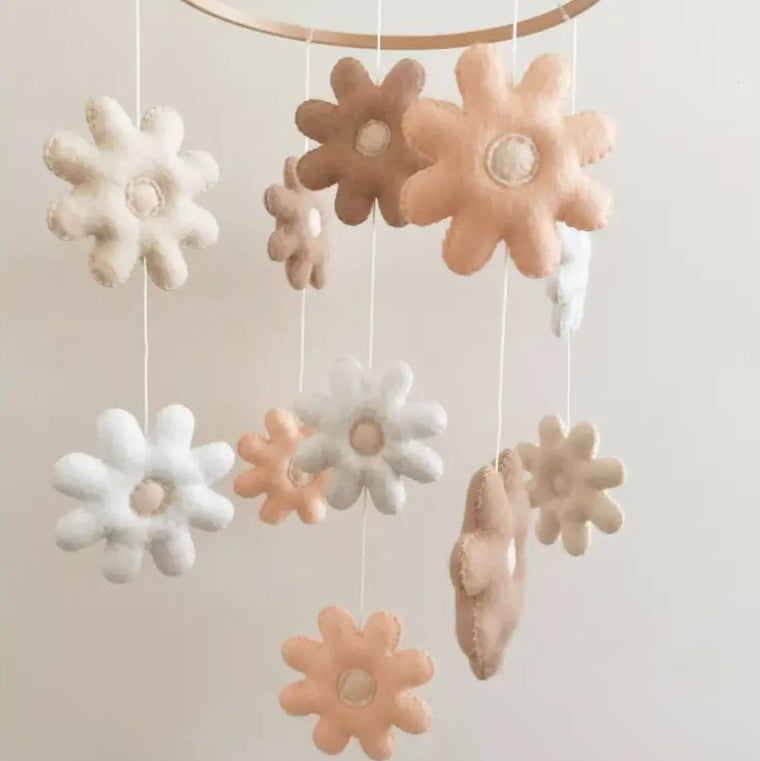
Once the focal point is set, use it to guide the rest of your nursery décor. Pick up its colours and textures in your mobile, curtains and storage so the room feels cohesive rather than collected.
Tip: Hang art and shelves securely, and keep anything heavy off the wall directly above the cot.
4. Choose Furniture That Grows with Them
The cot is the one piece worth spending on. Since 19 January 2026, all infant sleep products sold in Australia – including bassinets, cradles, co-sleepers, portable cots and household cots – must meet mandatory safety and labelling standards enforced by the ACCC. When buying, check for the required safety warnings on the product, its packaging and any online listing.
A cot that converts to a toddler bed gives you years of use from one purchase. For changing, a sturdy dresser with a change pad on top often outlasts a dedicated change table – it simply becomes a dresser once the nappy years are over.
Choose décor that can move with your child's interests too: a framed print of a classic storybook scene will last longer than a specific cartoon character.

5. Make Room for You
You'll spend hours in this room too. A supportive nursing chair with good lumbar support and a smooth rocking or gliding motion is worth the investment. Pair it with a side table for water, snacks and burp cloths.
Add a few personal touches – art, prints or family photos – that make the room somewhere you actually want to sit at 2am.
6. Make Safety Non-Negotiable
A nursery can look good and still be safe – it just takes planning. Based on Red Nose safe sleep guidance:
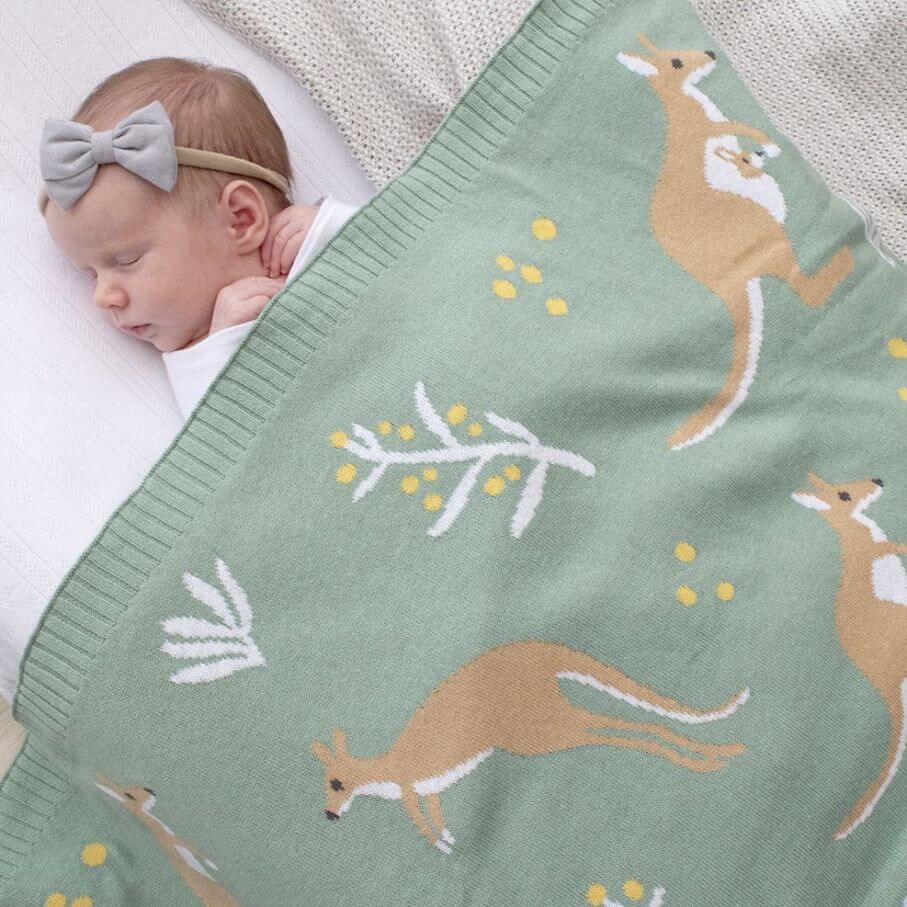
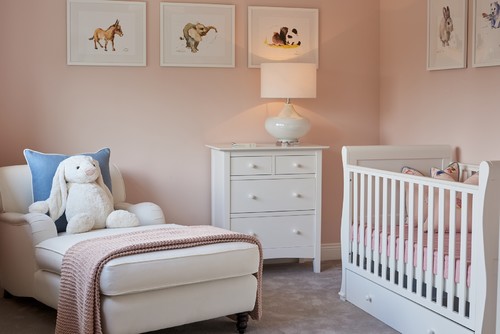
- Keep the cot bare. A firm, flat, well-fitting mattress and nothing else – no pillows, bumpers, loose bedding, sheepskins or soft toys.
- Position the cot carefully. Keep it away from windows, heaters, electrical appliances and hanging blind or curtain cords. Cordless blinds are the safest option.
- Anchor tall furniture. Secure dressers and bookshelves to the wall to prevent tip-overs once your baby starts pulling up.
- Keep small items out of reach. Creams, wipes and anything small enough to swallow belong up high or in a drawer.
- Check your sightlines. Make sure you can see the cot from the doorway.
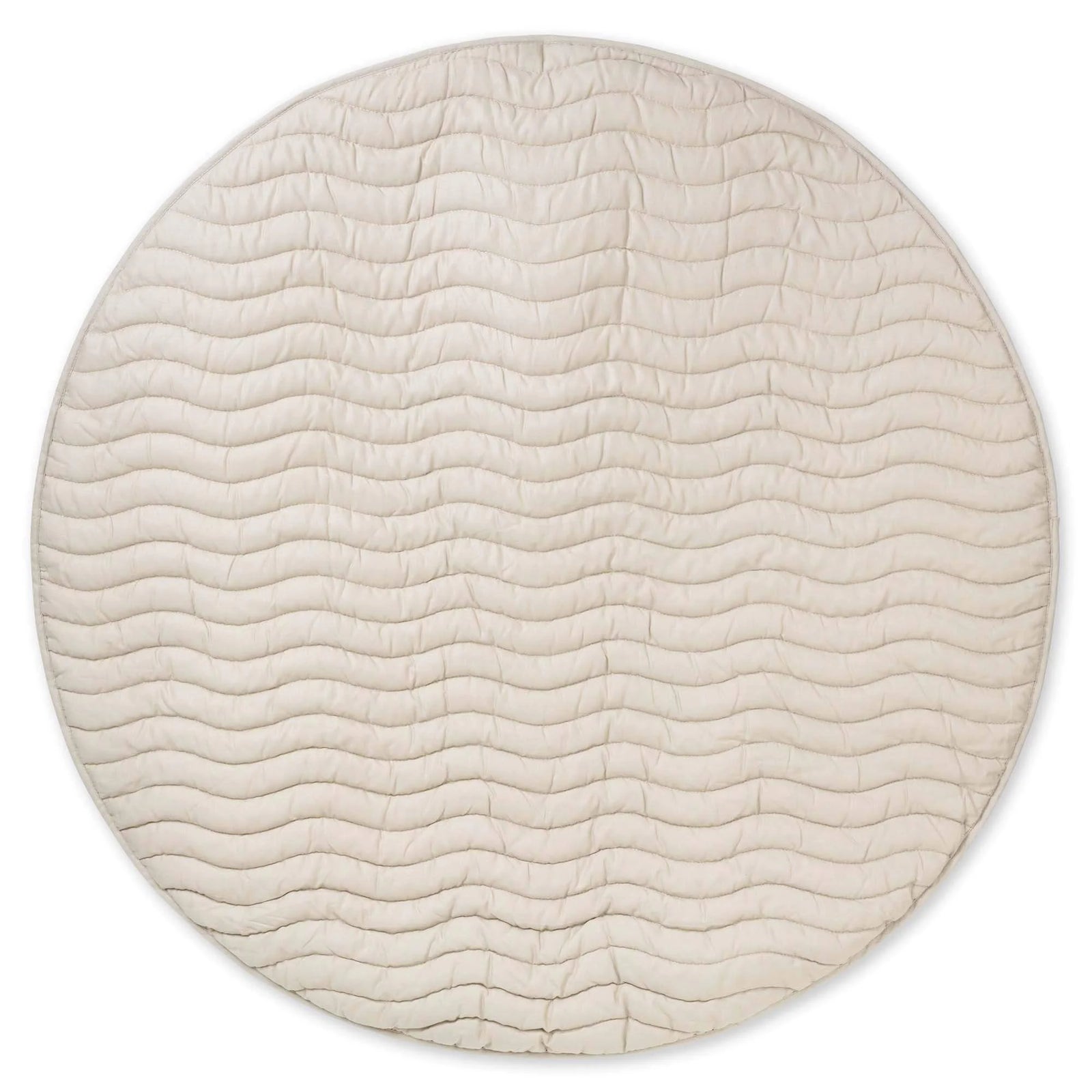
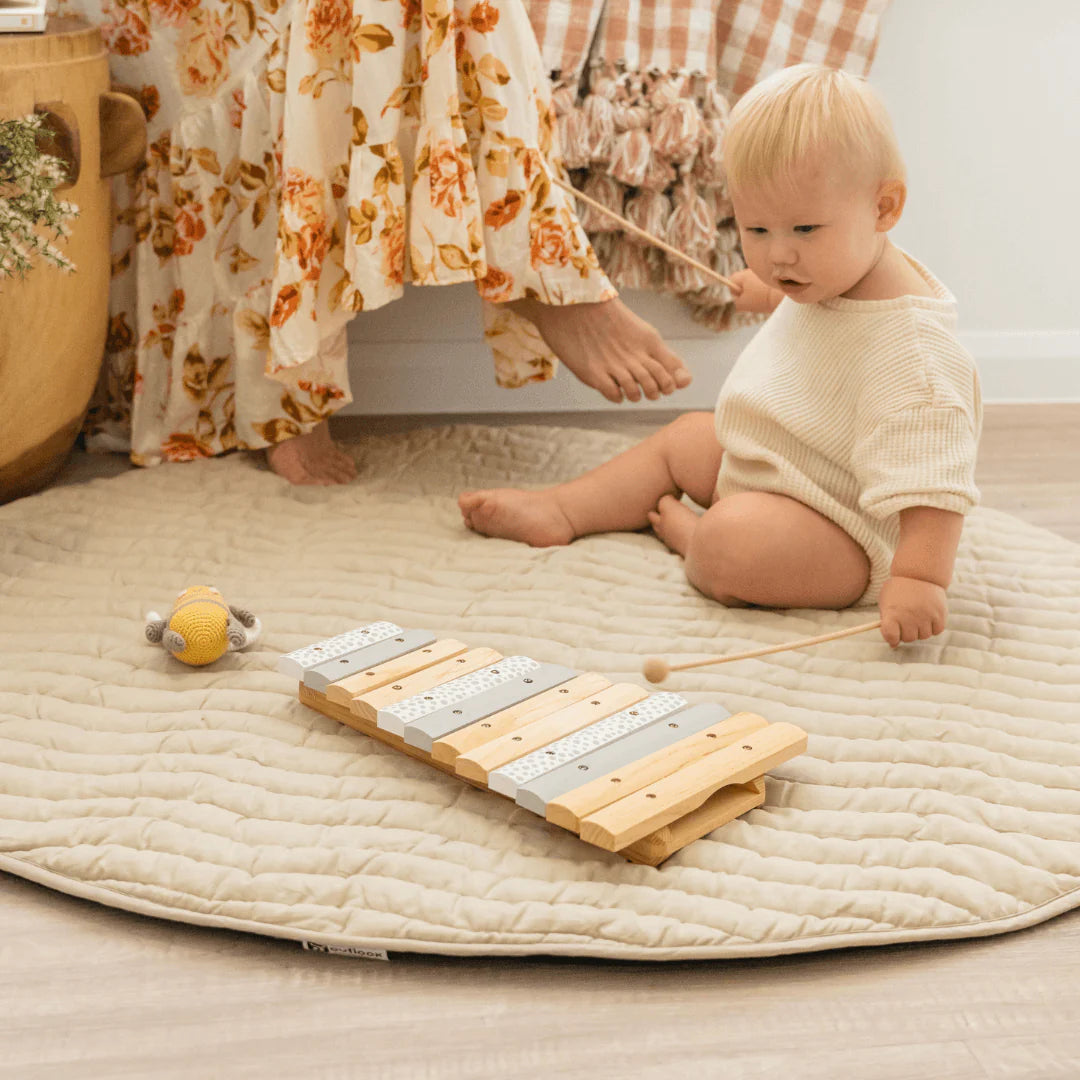
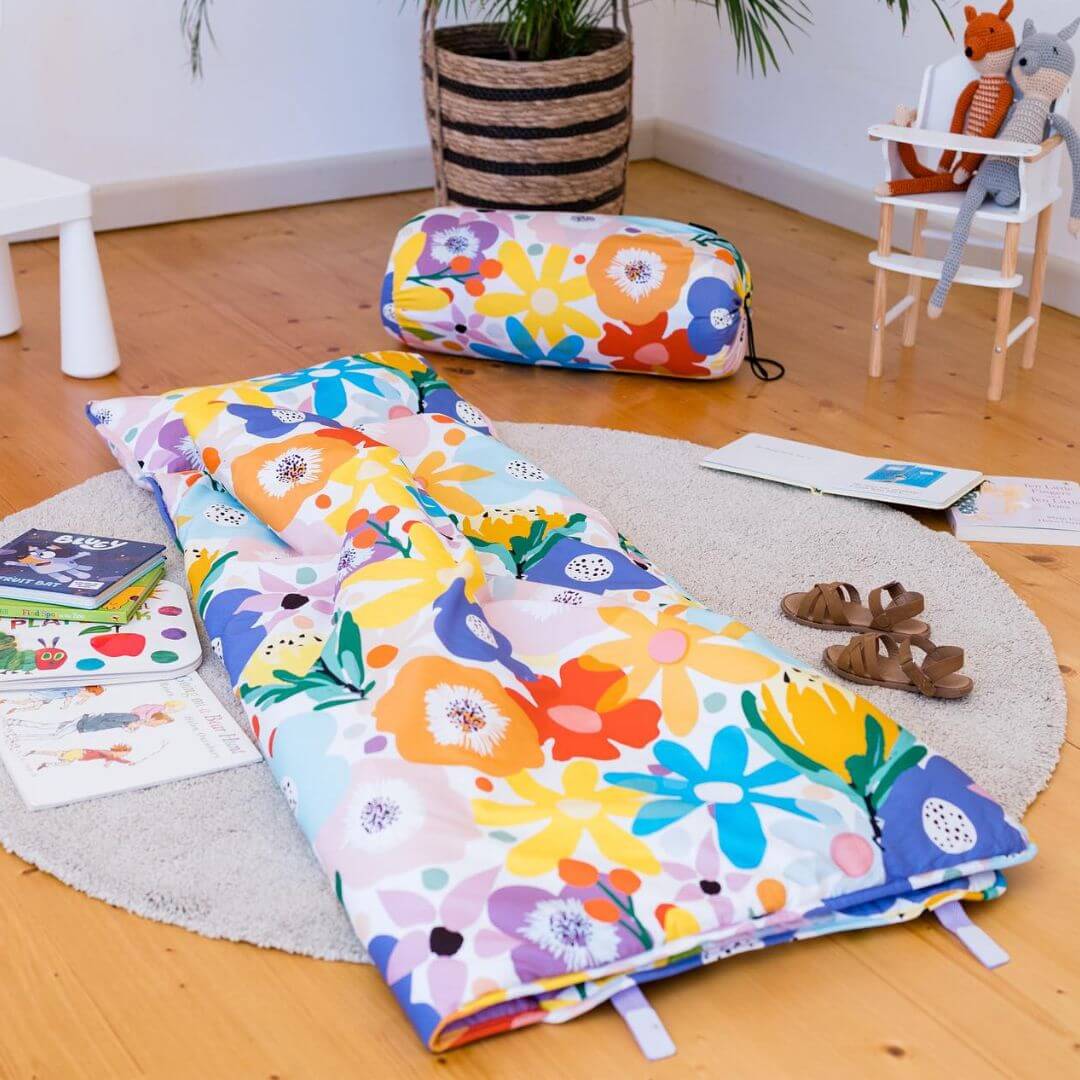
For floor time, a quilted play mat gives your baby a soft, clean spot for tummy time and reading.
7. Build in Smart Storage
A calm nursery is an organised one. Combine a few different solutions:
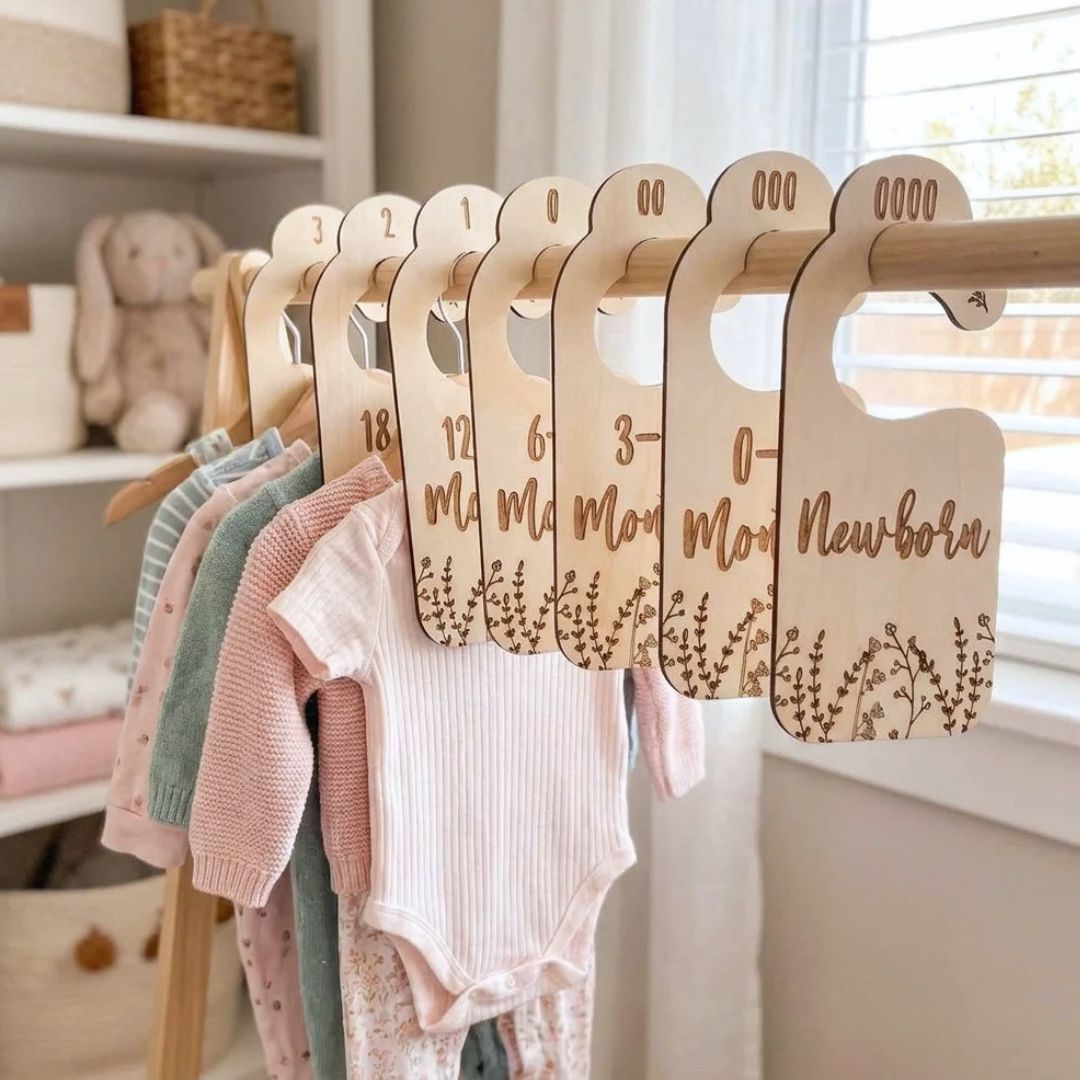
- Woven baskets or fabric bins on shelves for toys and blankets
- Floating shelves placed high for decorative items or books you want out of reach
- Under-cot drawers or rolling bins for bulky items like spare nappies or next season's clothes
- A nappy caddy to keep nappies, wipes and creams together and move them wherever you need them
Keep the top drawer of your change table or dresser for the most-used items – creams, wipes and a stack of nappies – so everything is within arm's reach.
8. Layer Your Lighting
Lighting matters for sleep and for those midnight wake-ups. A dimmer on the main light lets you lower the brightness for night feeds without waking your baby (or yourself) fully.
Add a low-level nightlight or a small lamp with a warm-toned bulb near the feeding chair. Blockout blinds or curtains help too – Australian summer sunrises can be very early, and a bright room at 5am usually means an early start for everyone.
9. Create a Gallery Wall
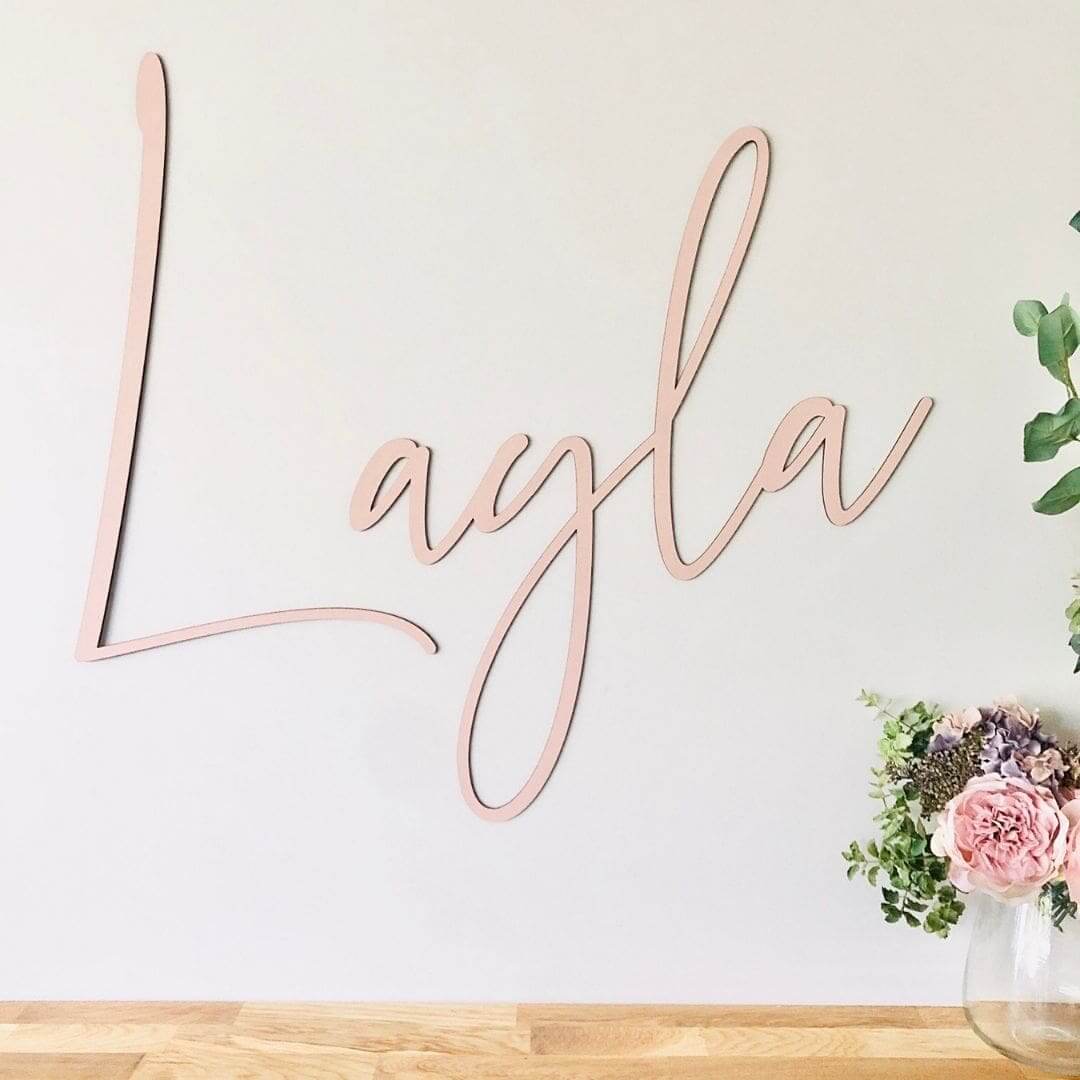
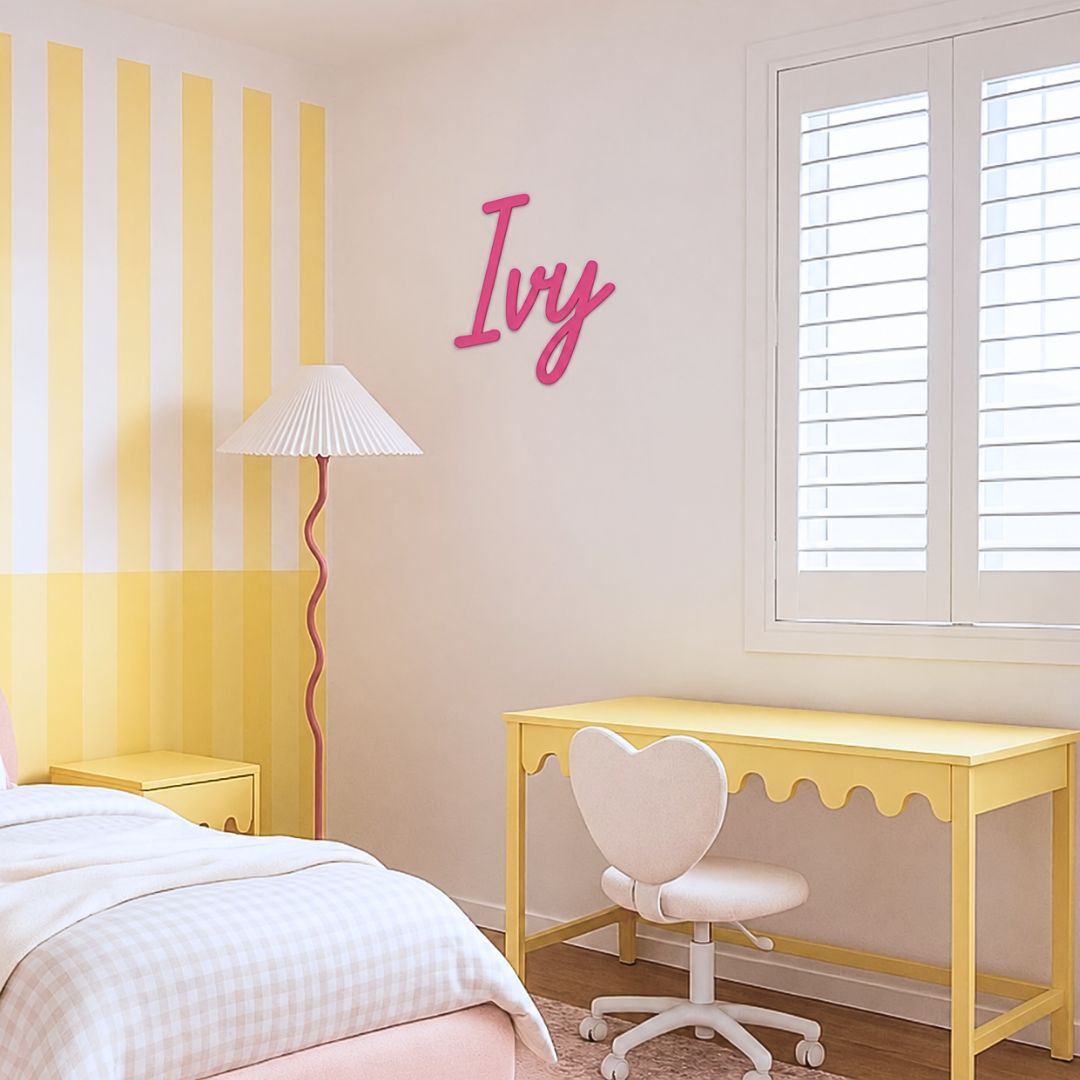
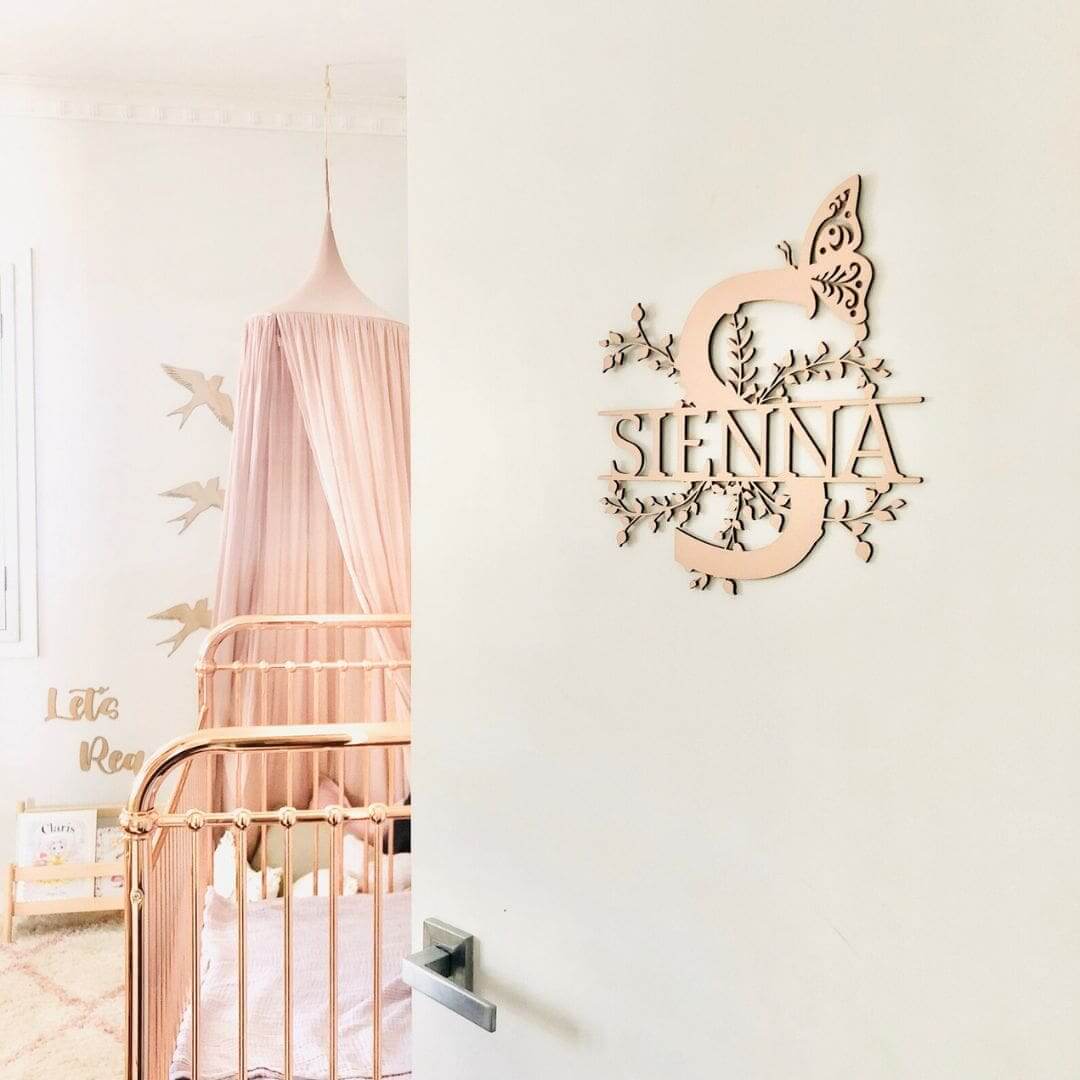
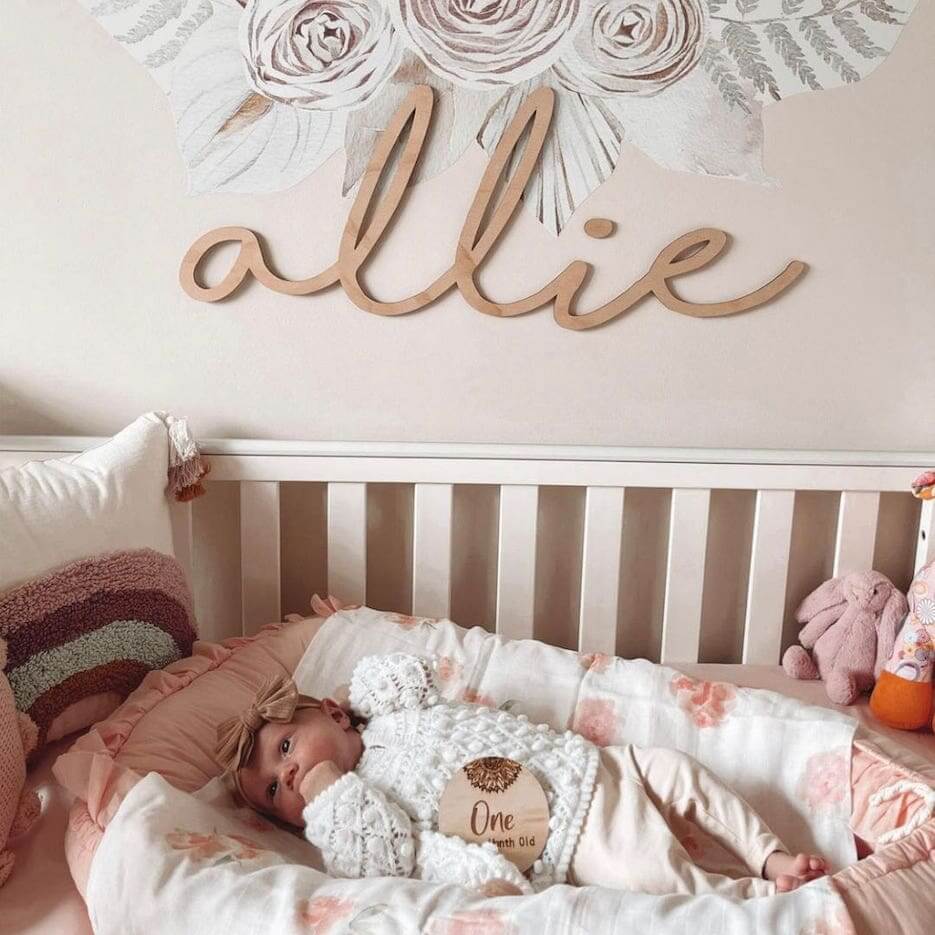
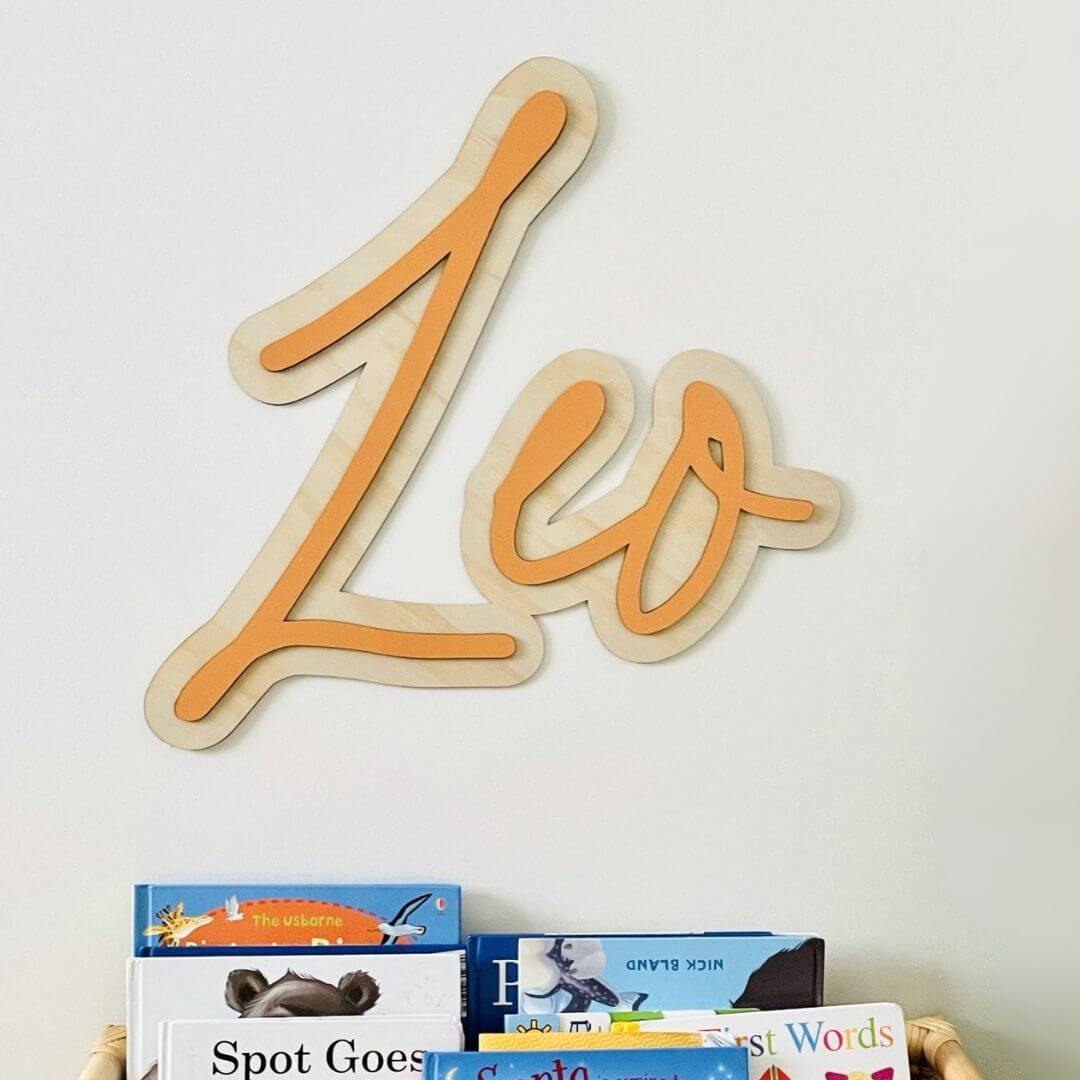
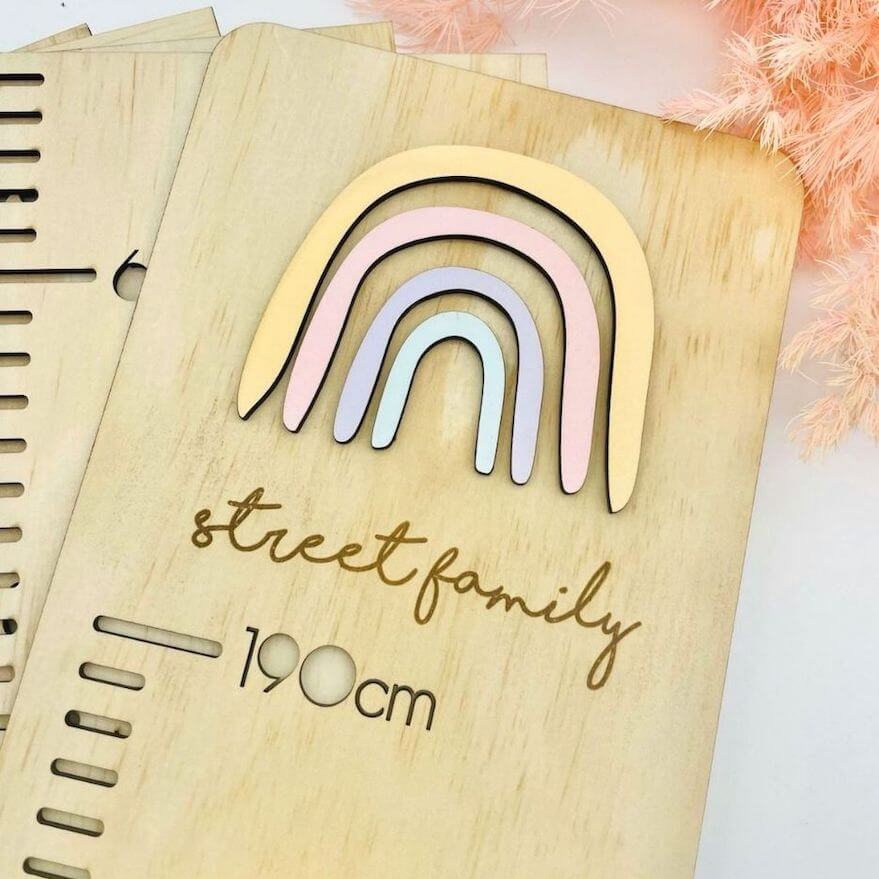
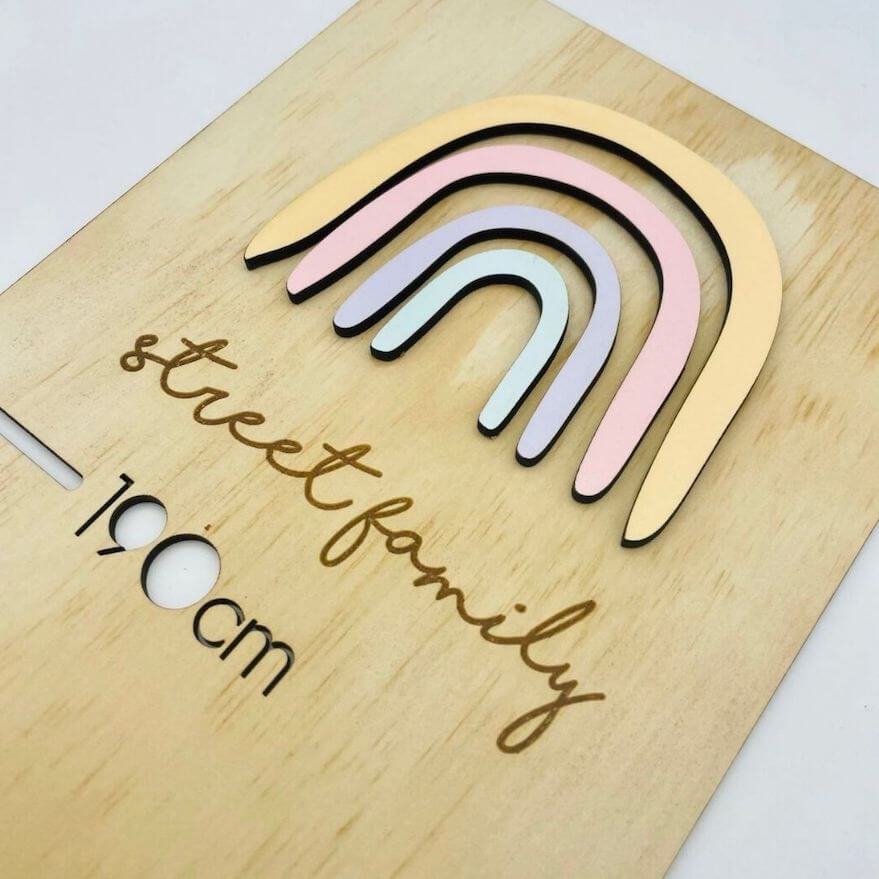
A gallery wall turns a blank wall into a display of your family's story. Combine family photos, a print of your baby's ultrasound, hand-drawn artwork, a custom wooden name plaque or a personalised newborn plaque with your baby's birth details.
Tip: Lay the frames out on the floor first, or tape paper templates to the wall, before you put any holes in it.

10. Consider a Montessori-Inspired Nursery
Montessori-style nurseries encourage independence and exploration with simple layouts, natural materials and everything at a child's height:
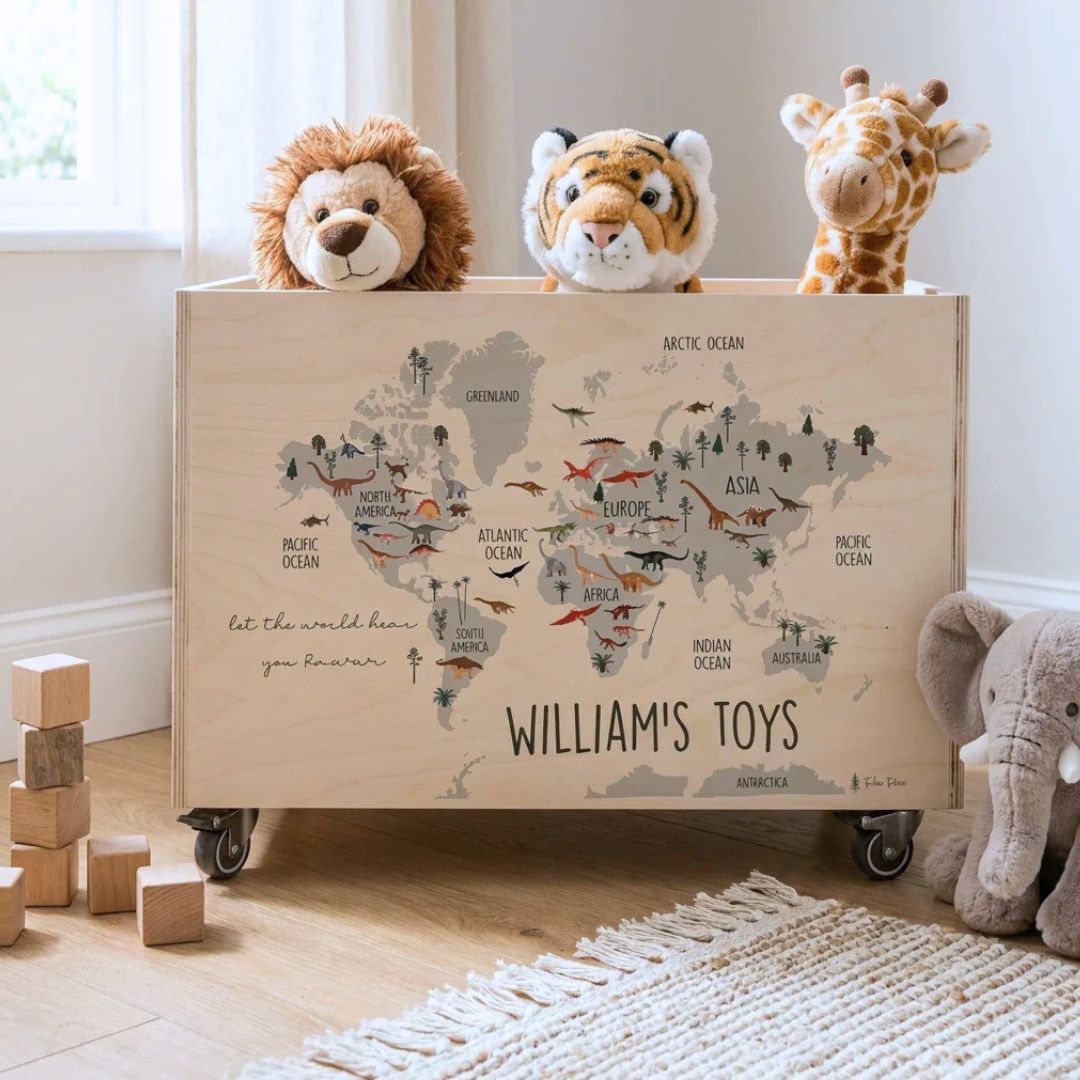
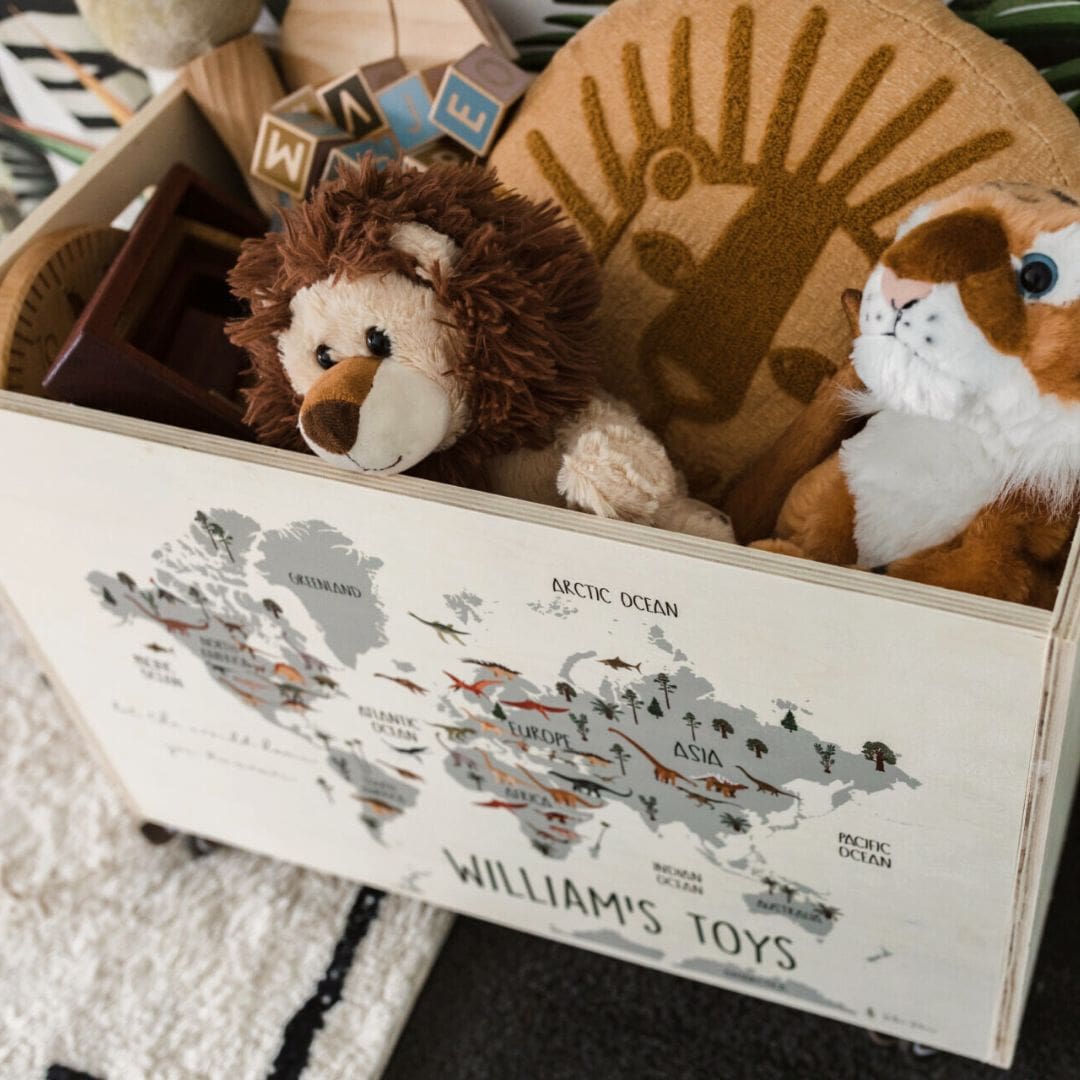
- Low, open shelving or a wooden toy box so toys and books are easy to reach
- Wooden alphabet blocks that work for play, learning and décor
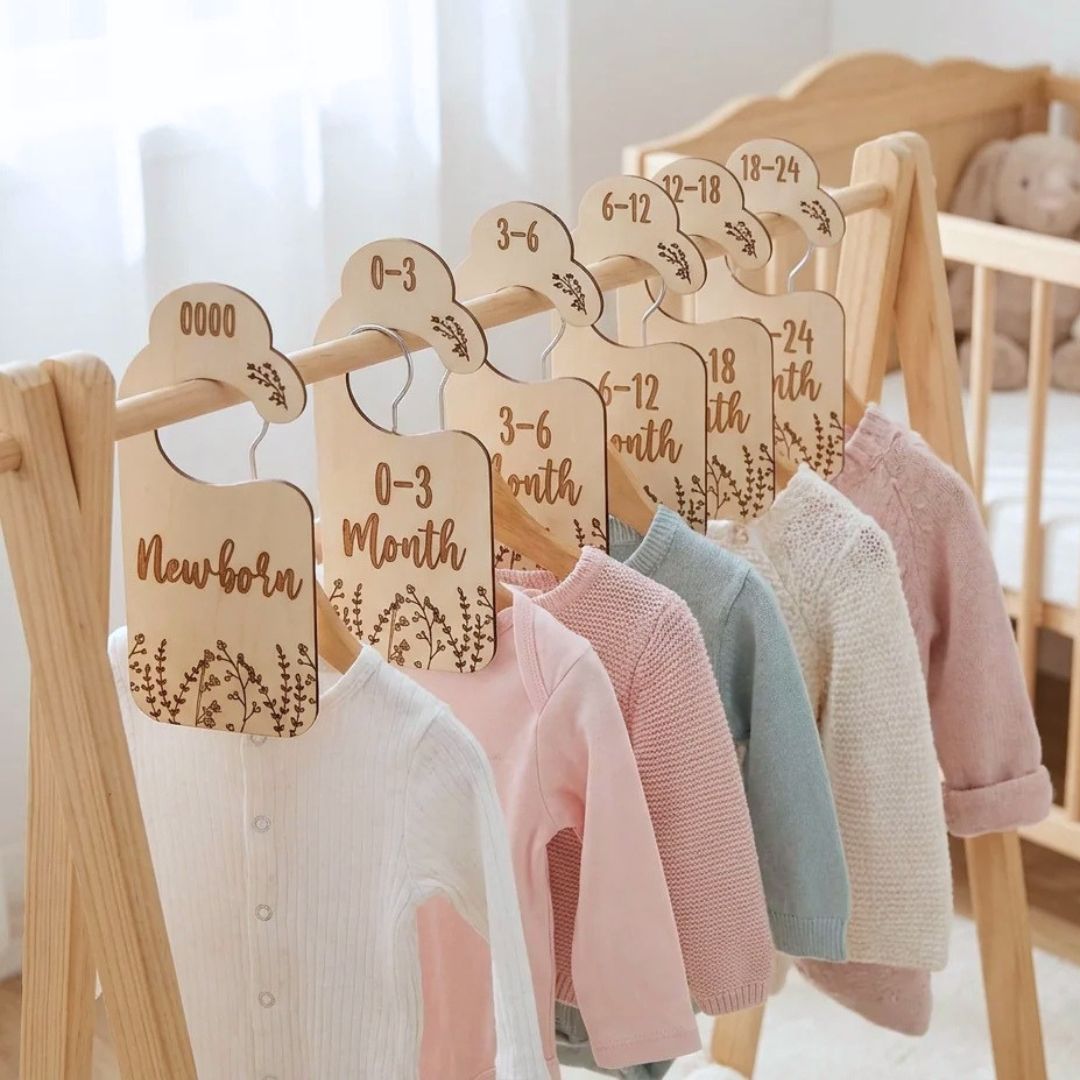
- Low hooks or an accessible wardrobe so your child can practise choosing their own clothes
- A floor bed once your child has moved out of the cot
Frequently Asked Questions
When should I start setting up the nursery?
Aim to have the essentials ready by the third trimester – roughly 30 to 34 weeks – so you're not assembling furniture with a newborn. Decorating can continue after your baby arrives.
Does my baby need their own nursery straight away?
No. Red Nose recommends babies sleep in their own safe sleep space in your room for the first 6–12 months. Many families use the nursery for changing, feeding and play first, then move the cot in later.
What furniture do you need in a nursery?
The essentials are a cot (or a bassinet in your room to start), a change table or dresser with a change pad, storage for clothes and nappies, and a comfortable chair for feeding. Everything else is optional.
What colours are best for a nursery?
Soft neutrals and muted pastels – warm grey, taupe, ivory, sage or dusty blue – create a calm base that's easy to build on. Add brighter colour through bedding, art and rugs, which are simple to change later.
Start with the Layout
Get the layout and safety basics right first, and the rest is the fun part. Pick a calm colour base, choose one focal point, and add personal pieces over time – the nursery doesn't need to be finished before your baby arrives.
Lulu Babe editors independently select and write about products we love and think you'll enjoy. This post contains affiliate links, which means we may earn a commission if you click on a link and make a purchase.